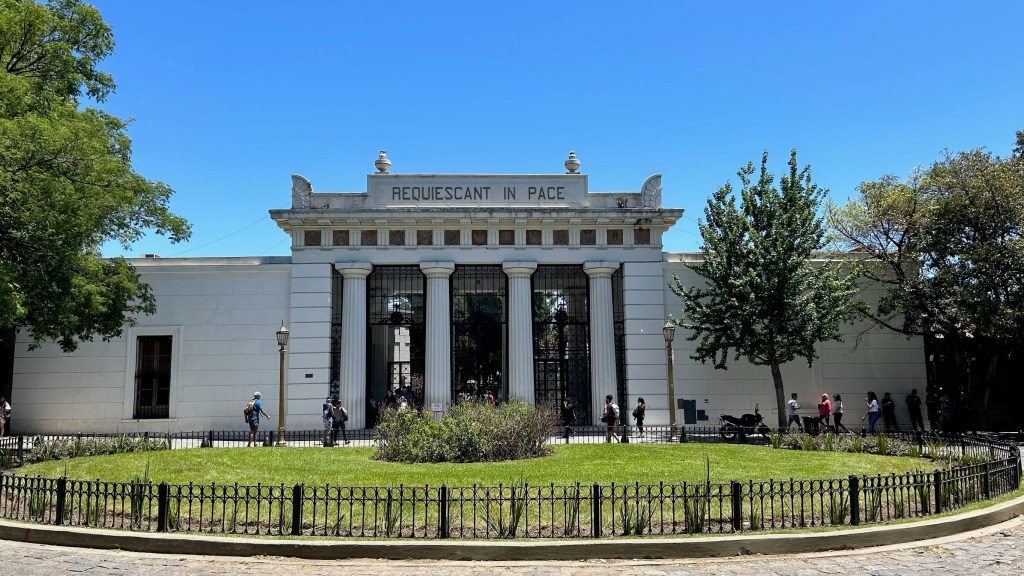
Embark on a journey through Buenos Aires, a city that dances to the rhythm of tango and thrives on its rich cultural heritage. Your adventure begins in the historic heart of San Telmo, moves through the bustling streets filled with artisans and dancers, and concludes in the refined elegance of Recoleta, offering a glimpse into the city’s diverse tapestry of life.
Morning Exploration: The Timeless Streets of San Telmo
Discovering San Telmo’s Soul
Start your day in San Telmo, Buenos Aires’ oldest barrio. This neighborhood, with its cobblestone streets and colonial-style buildings, serves as the canvas of the city’s rich history, embodying the essence of its past.
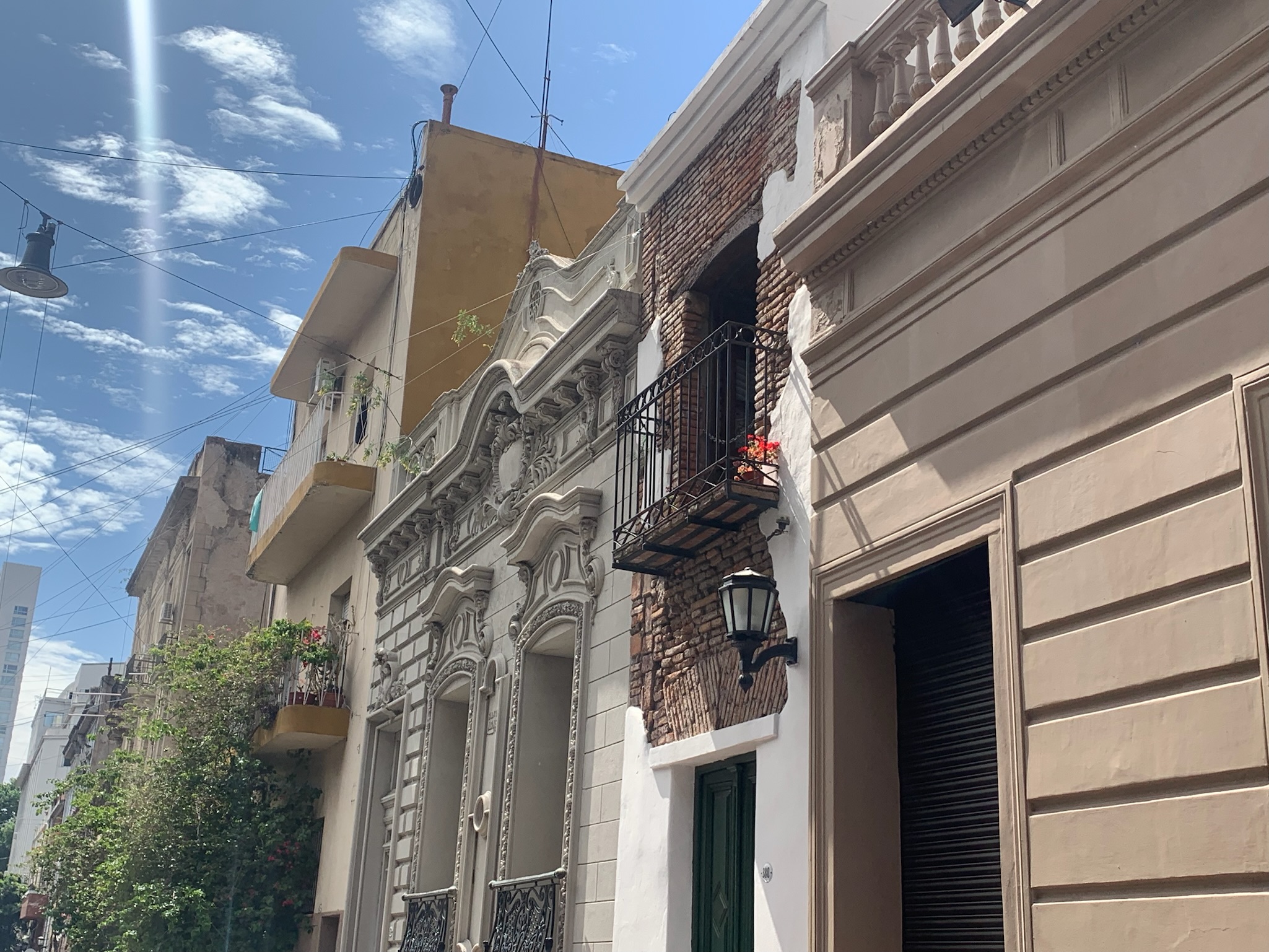
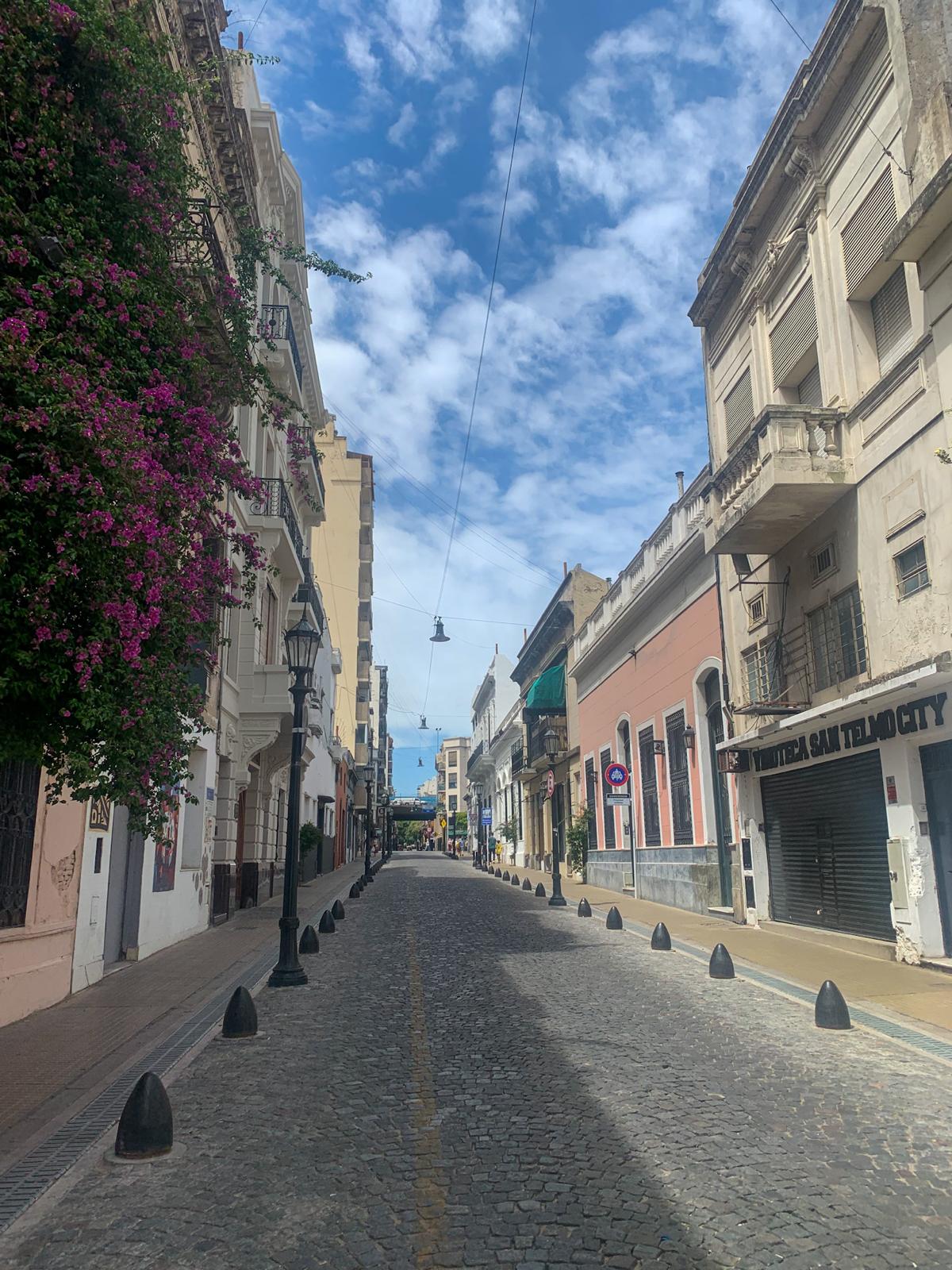
- Plaza Dorrego: Your journey should commence at Plaza Dorrego, the second oldest square in Buenos Aires. Here, the spirit of the city comes alive, especially during the Feria de San Telmo on Sundays, where antique vendors and street performers showcase their wares and talents, creating a lively atmosphere that’s infectious.
- San Telmo Market: A few steps from Plaza Dorrego, the San Telmo Market awaits. This bustling market is a treasure trove of local foods, antiques, and crafts. It’s a perfect place to savor traditional Argentine empanadas or to sip on a cup of mate, immersing yourself in the local flavors and aromas.
San Telmo Market Info: Localisation | Open daily from 9 a.m. to 8 p.m. | Make sure to taste some of Argentina’s best empanadas (El Hornero)
- Casa Minima: Amidst San Telmo’s grandeur lies Casa Minima, renowned as Buenos Aires’ narrowest house. Its facade is barely 2.5 meters wide!
Afternoon : The Elegance of Recoleta
Transitioning from the old-world charm of San Telmo to the opulent neighborhood of Recoleta offers a stark contrast and a taste of Buenos Aires’ multifaceted identity. Recoleta, with its Parisian-style architecture and cultured avenues, represents the pinnacle of elegance and sophistication in the city.
Architectural Marvels and Cultural Icons
Basilica del Pilar: Standing as a beacon of colonial architecture, the Basilica del Pilar is an essential visit. This historic church, dating back to the early 18th century, showcases the intricate designs and religious fervor of the era. Its status as a National Historic Monument only adds to its allure, inviting visitors to step back in time.
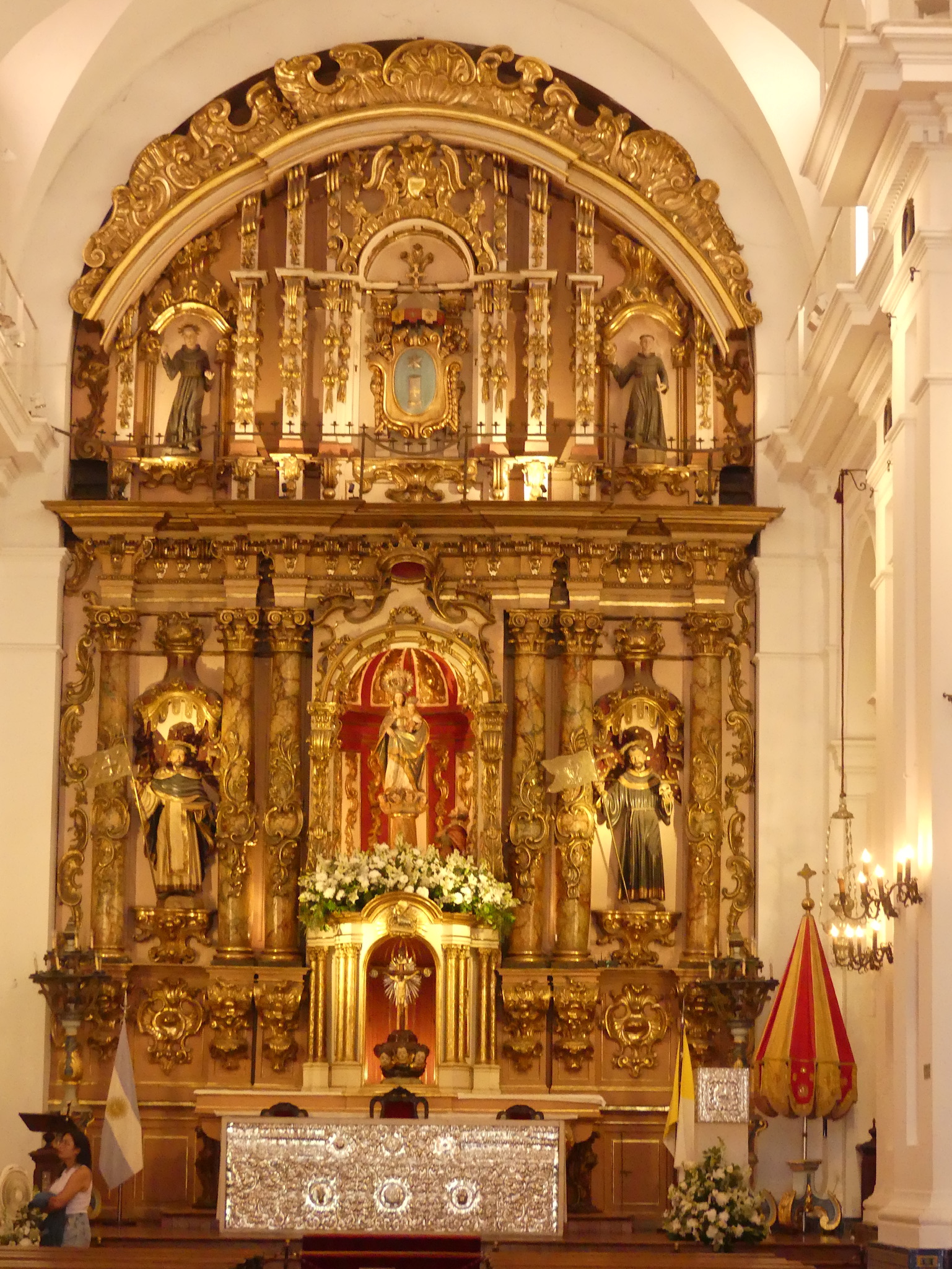
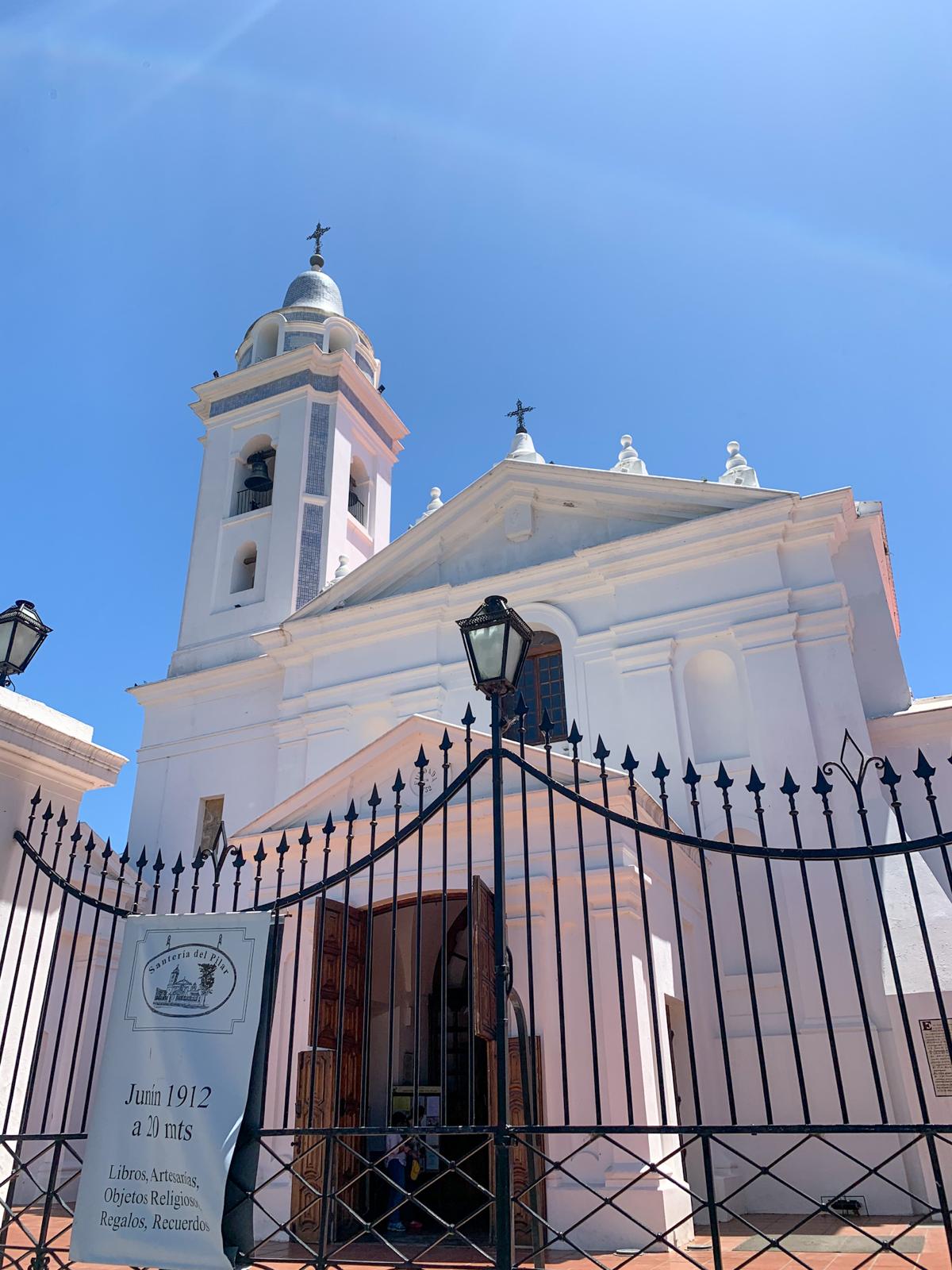
The church consists of a single nave with a well-developed transept, covered by a vaulted ceiling. The lateral chapels are shallow. In its interior, the main altarpiece stands out (baroque), with the titular image in the center and at its sides two Franciscan saints. The main altar is a very singular piece, with Inca ornamentation of Alto Peru, very richly worked in silver.
Info: Localisation | Entrance is free | Open daily from 7:30 a.m. to 10 p.m. on weekdays and from 8 a.m. to 10 p.m. on weekends
Recoleta Cemetery: Just a stone’s throw from the Basilica, the Recoleta Cemetery is an open-air museum where more than 6,400 statues, sarcophagi, coffins and crypts commemorate some of Argentina’s most famous figures, including the famour Eva Perón.
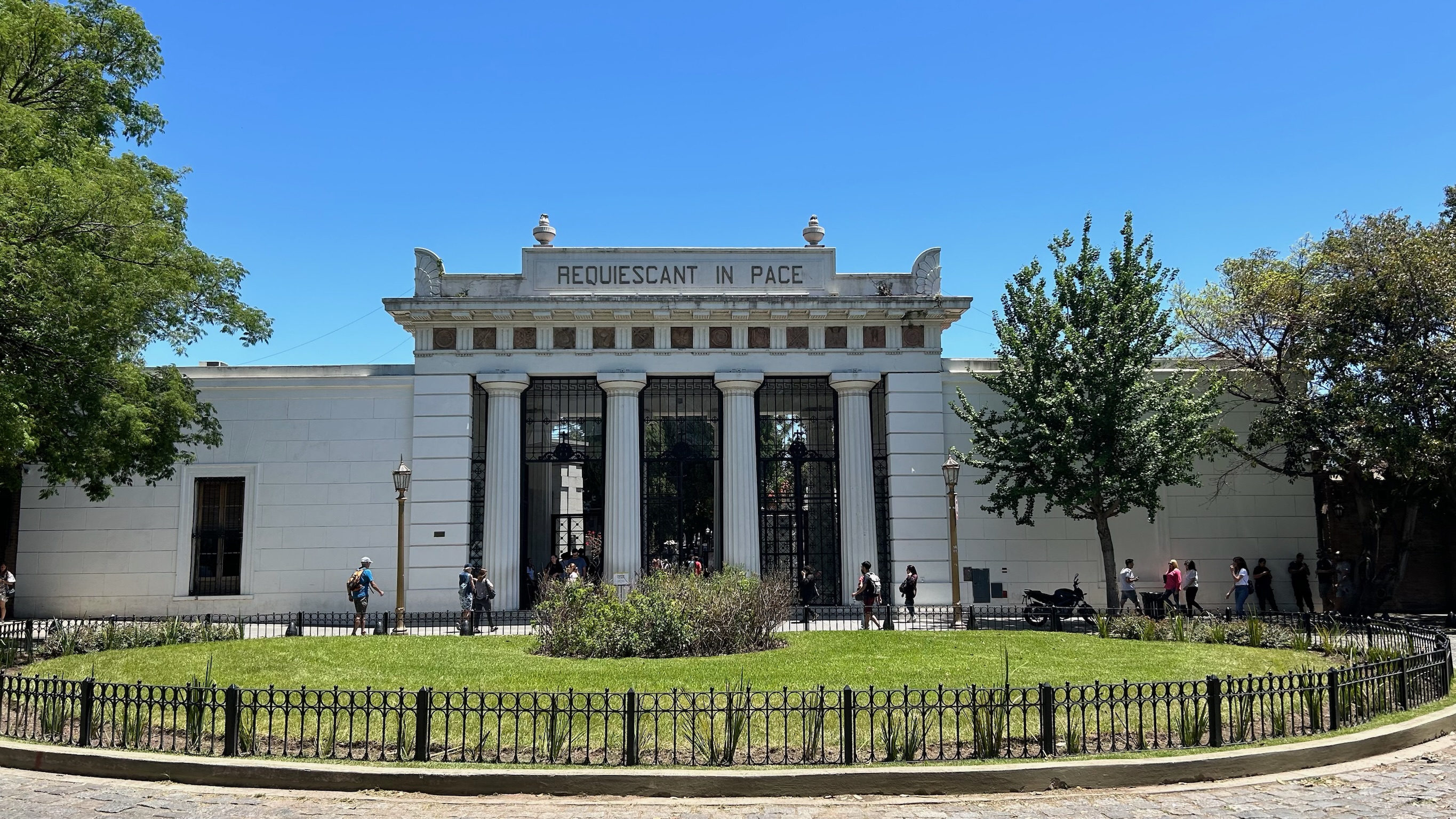
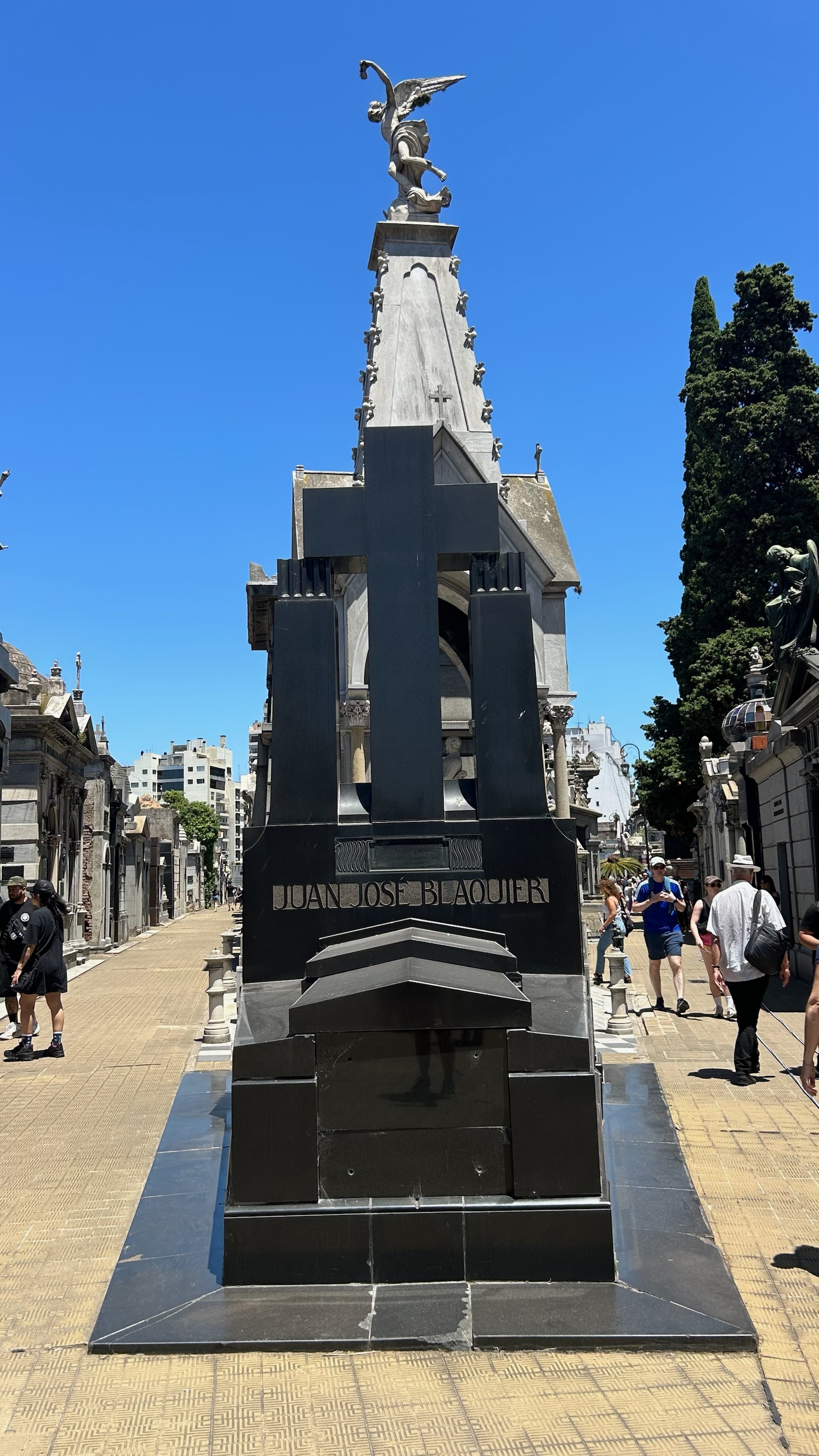
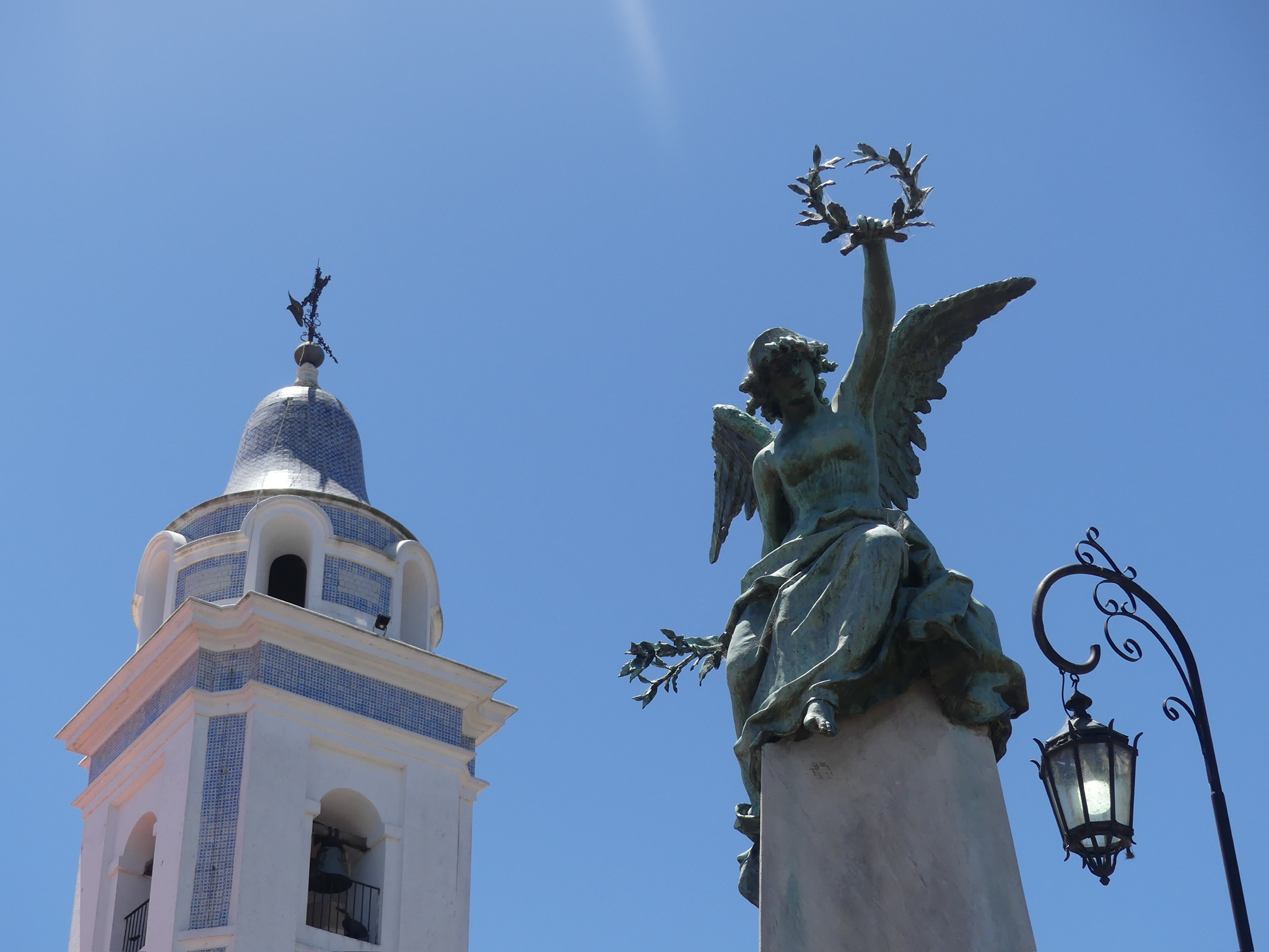
Visiting a cemetery might sound unconventional for sightseeing, but Recoleta Cemetery stands apart from the ordinary. This site boasts Argentina’s most elaborate and distinguished mausoleums, adorned with stunning sculptures and marble craftsmanship that captivate visitors. Frequently hailed as “the world’s most beautiful cemetery,” Recoleta offers a unique and awe-inspiring experience unlike any other
Info: Localisation | The cemetery is open daily, 8am to 6pm. Free guided tours in Spanish take place at 11am and 2pm Tuesday to Friday, and at 11am and 3pm on Saturdays, Sundays and public holidays. | Admission costs around $7 (December 2023)
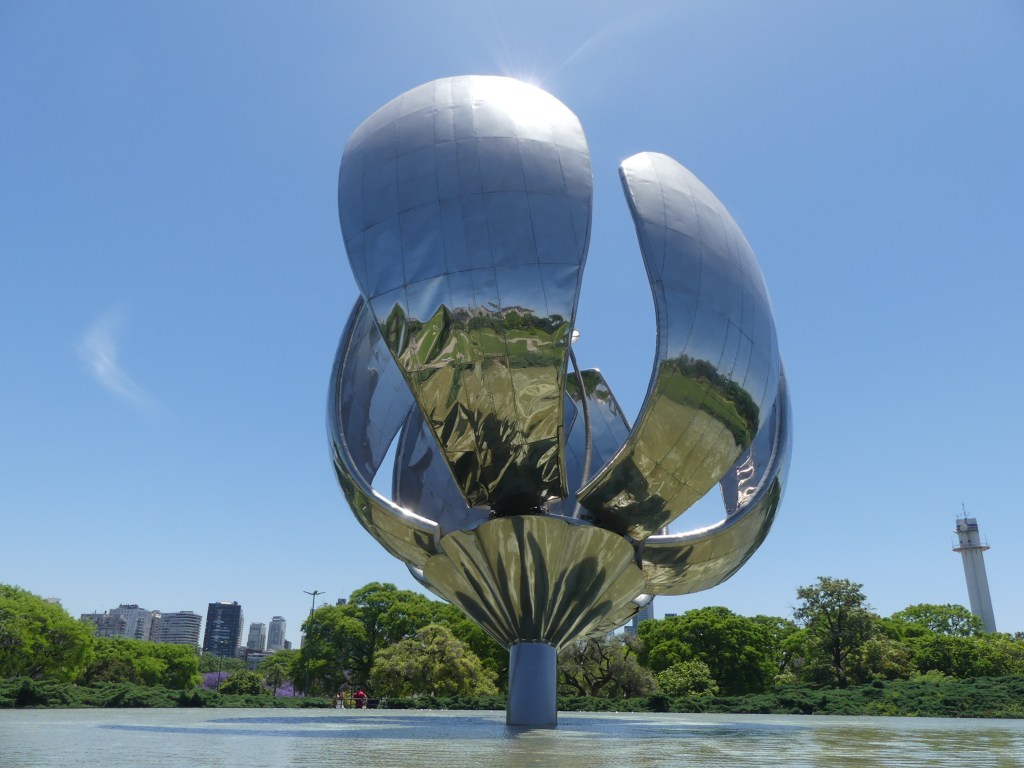
Floralis Generica: As you leave the somber beauty of the cemetery behind, the Floralis Generica awaits, symbolizing the city’s innovative spirit. This massive metallic flower adjusts its petals with the sun, offering a contemporary contrast to the historical depth of Recoleta.
Looking for more things to do in Buenos Aires?






 m'digital nomad
Leave a comment