In early March, we set our sights on Siem Reap, marking the beginning of our Cambodian adventure. I had visited this country 10 years ago following a trip to Vietnam, and it was a delight to rediscover its landscapes and culture after so many years.
Arriving in Siem Reap
For those arriving by air, it’s important to note that a new airport, located about an hour from downtown, has replaced the old one, which was much closer. Several options are available for getting into the city: a taxi (about $30), a shared bus ($8), and of course, tuk-tuks, though the latter might be less convenient with large luggage.
Practical Information
Visa: A visa is required to enter Cambodia. You can obtain it online for $35 or upon arrival at the airport for $30, the latter being relatively quick and the option we chose. It’s important to note that the visa is single-entry.
Currency: Cambodians use the Riel and the US dollar. Prices are often displayed in dollars, but if you choose to use this currency, make sure your bills are in perfect condition. We preferred using Riels.
Getting Around: Before leaving, download the Grab app, Cambodia’s equivalent of Uber. It simplifies paying for tuk-tuk rides and allows you to set the price in advance.
Connectivity: To stay connected, buying a local SIM card is a good idea. We chose Smart, which offers a package including calls, texts, and 50 go data for $5, valid for 15 days.
Our Itinerary Details
Day 1 in Siem Reap: The Lotus Farm

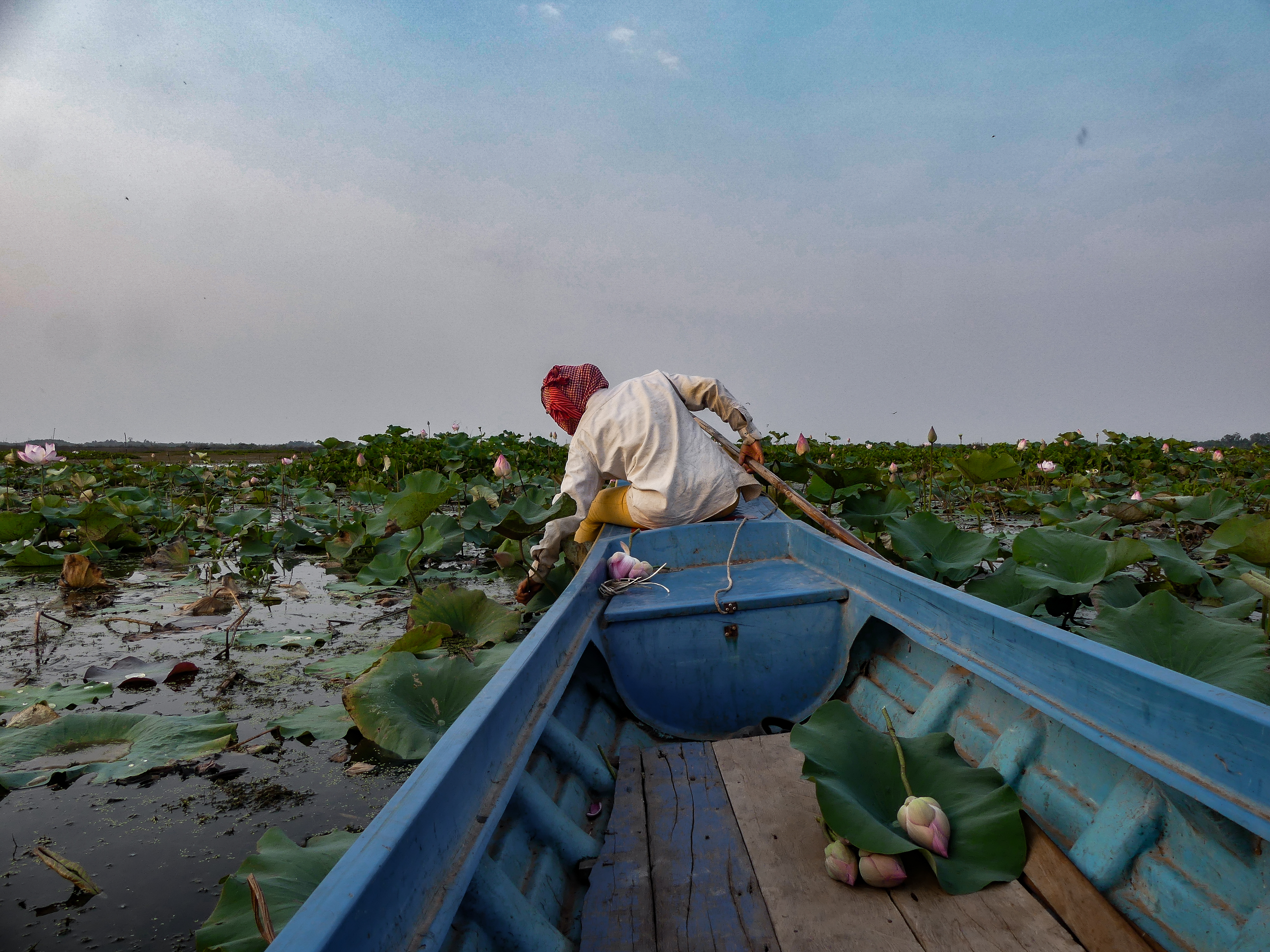
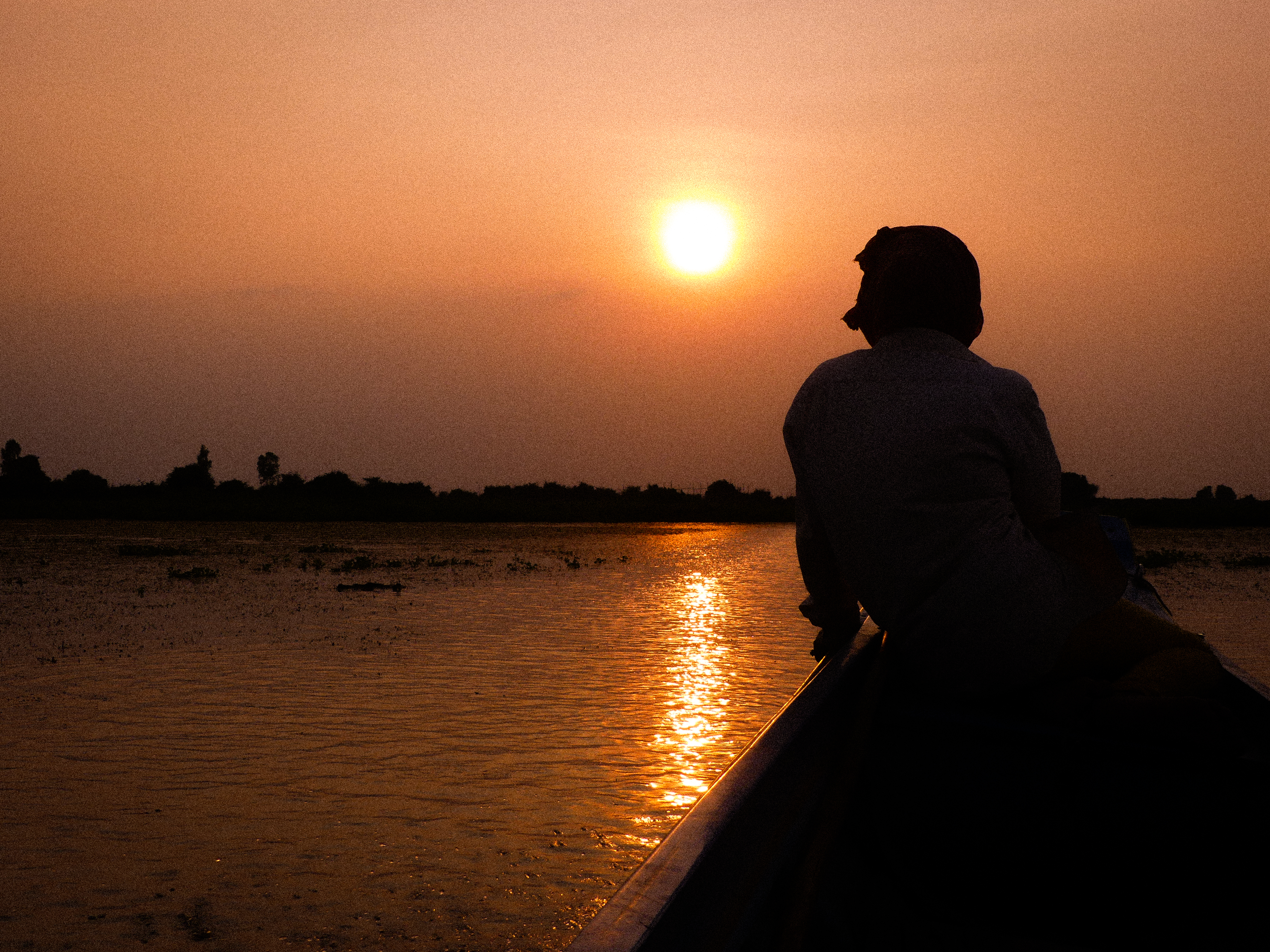
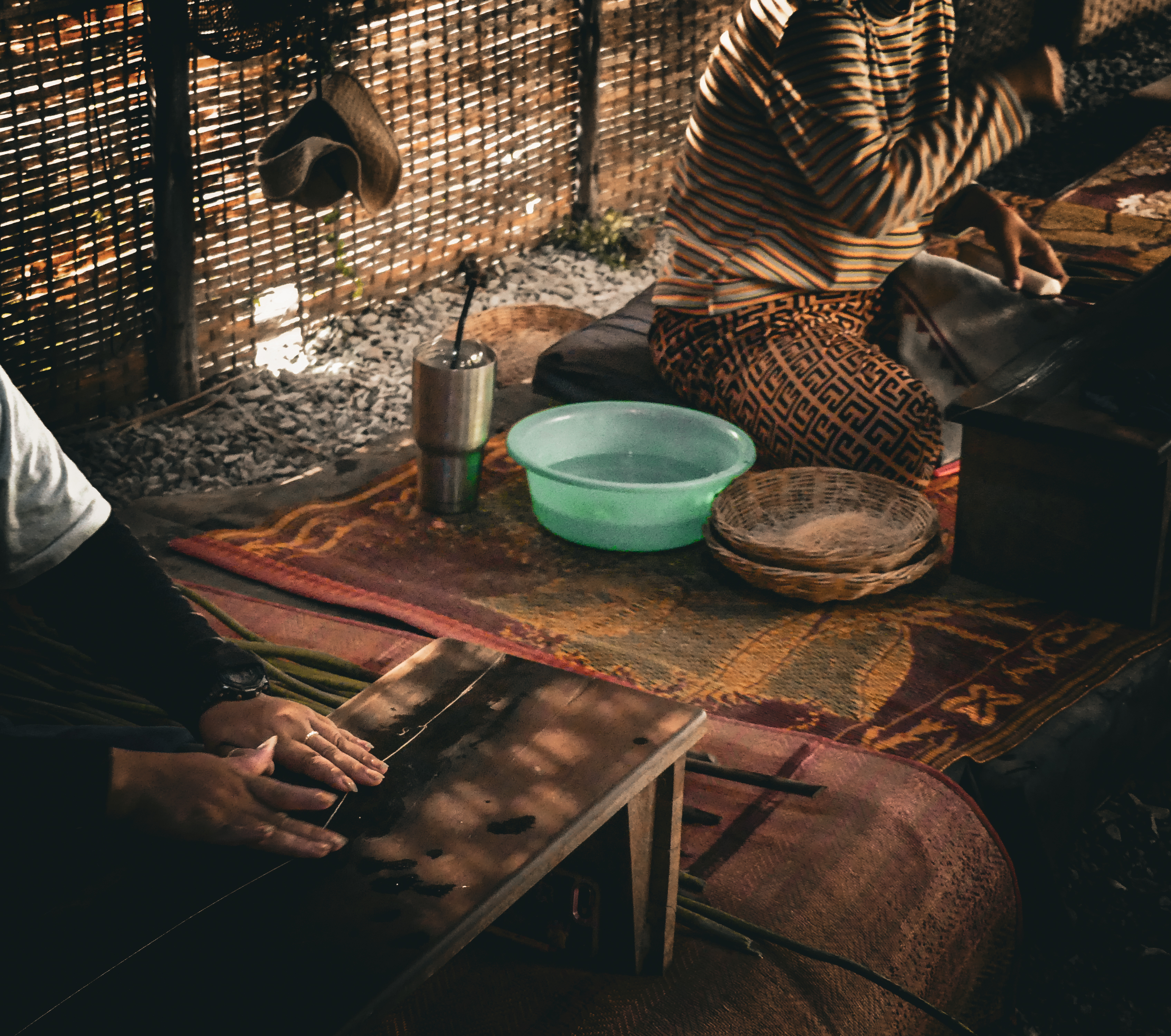
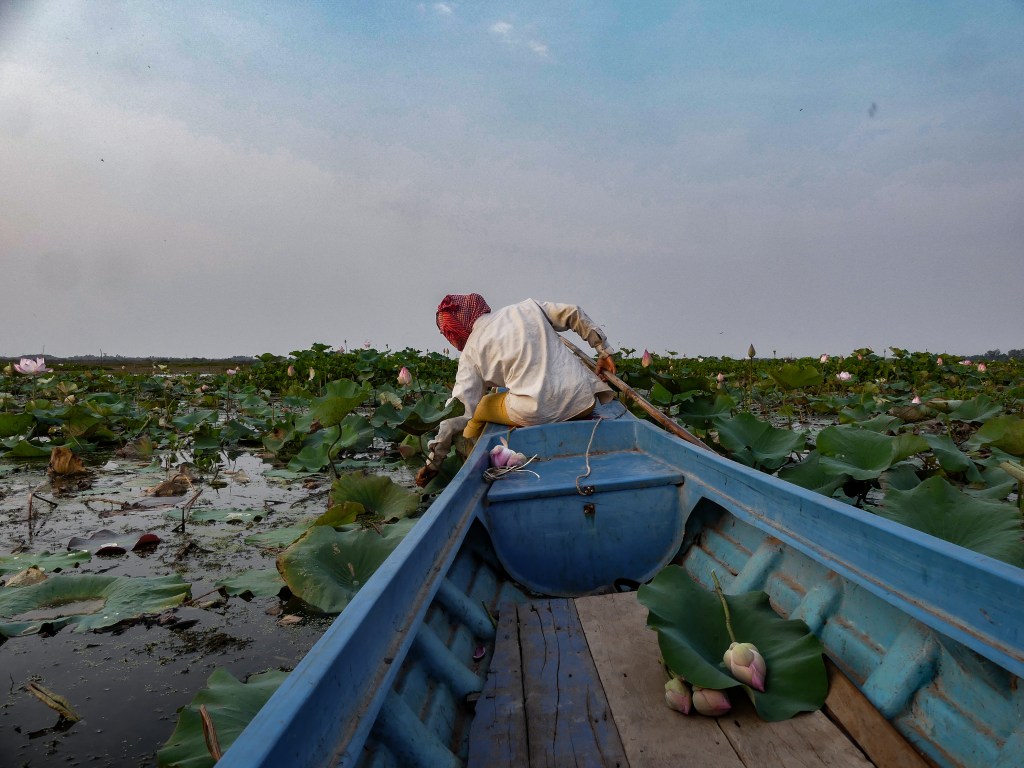
Our first stop was the Lotus Farm, a place full of symbolism. Here, the lotus, sacred across South Asia, represents purity and spiritual elevation. This farm, employing women exclusively, aims to improve their living conditions. A 45-minute guided tour, including tasting lotus tea and homemade cookies, costs $5. For an even more memorable experience, opt for the boat tour through the lotus fields at sunset for an additional $10.
Days 2 and 3: Angkor Temples
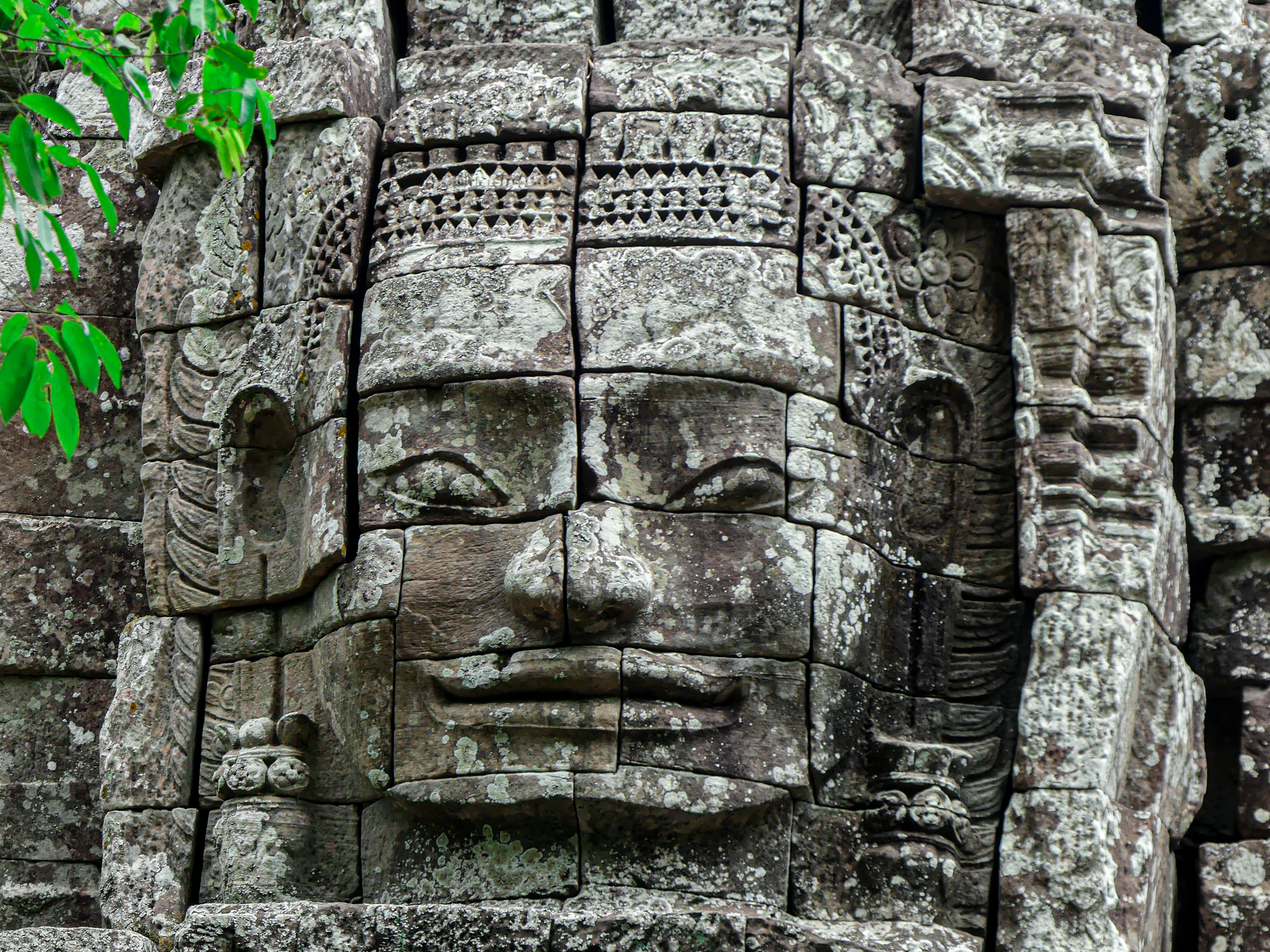
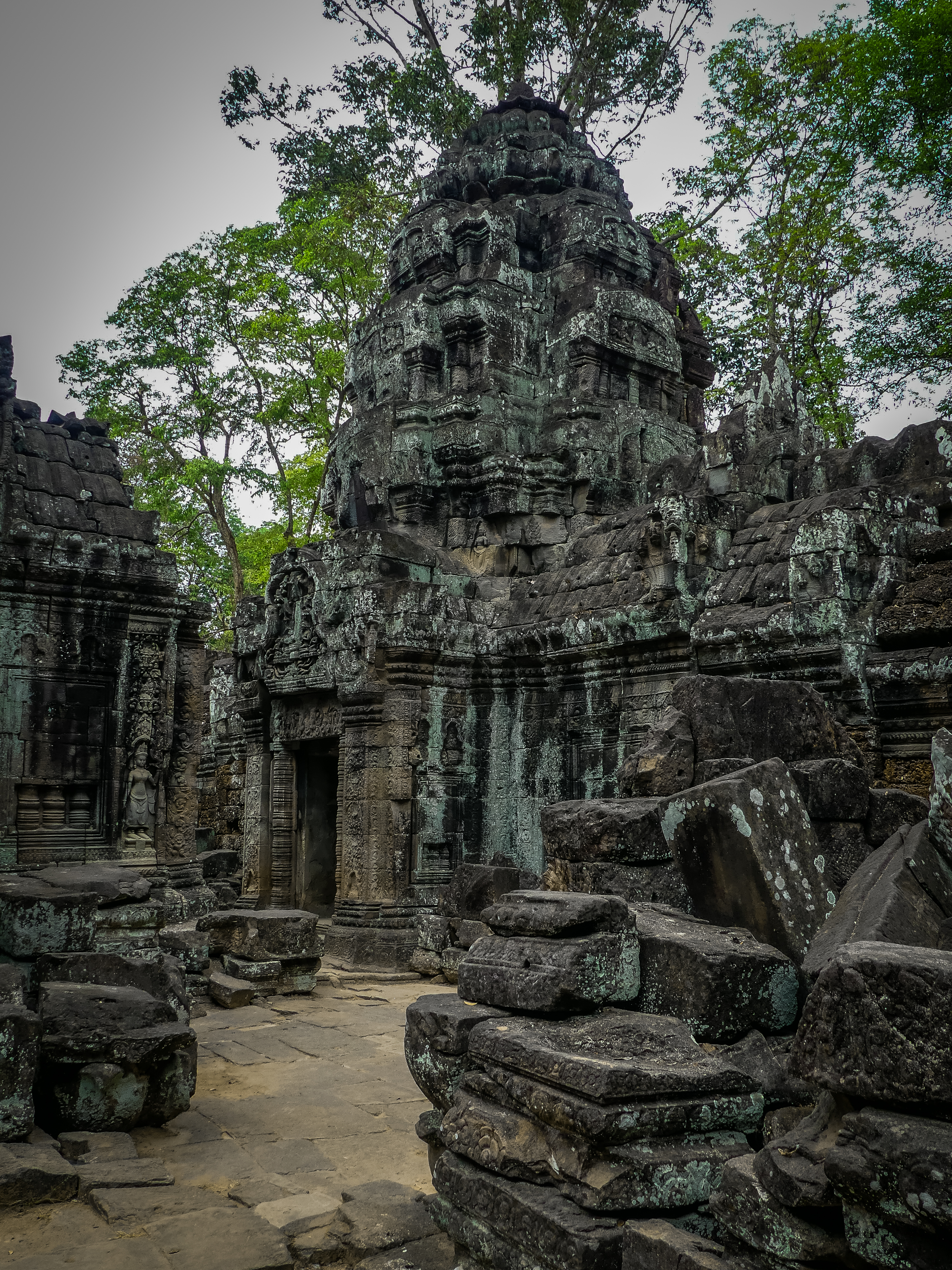
These two days were dedicated to exploring the temples of Angkor. The “grand circuit” allowed us to visit wonders like Preah Khan, Neak Pean, Ta Som, East Mebon, and Pre Rup, then Angkor Thom, Bayon, Ta Phrom, and the majestic Angkor Wat the following day. We bought our tickets online to avoid waiting, a very handy tip.

Day 4: Kampong Khleang
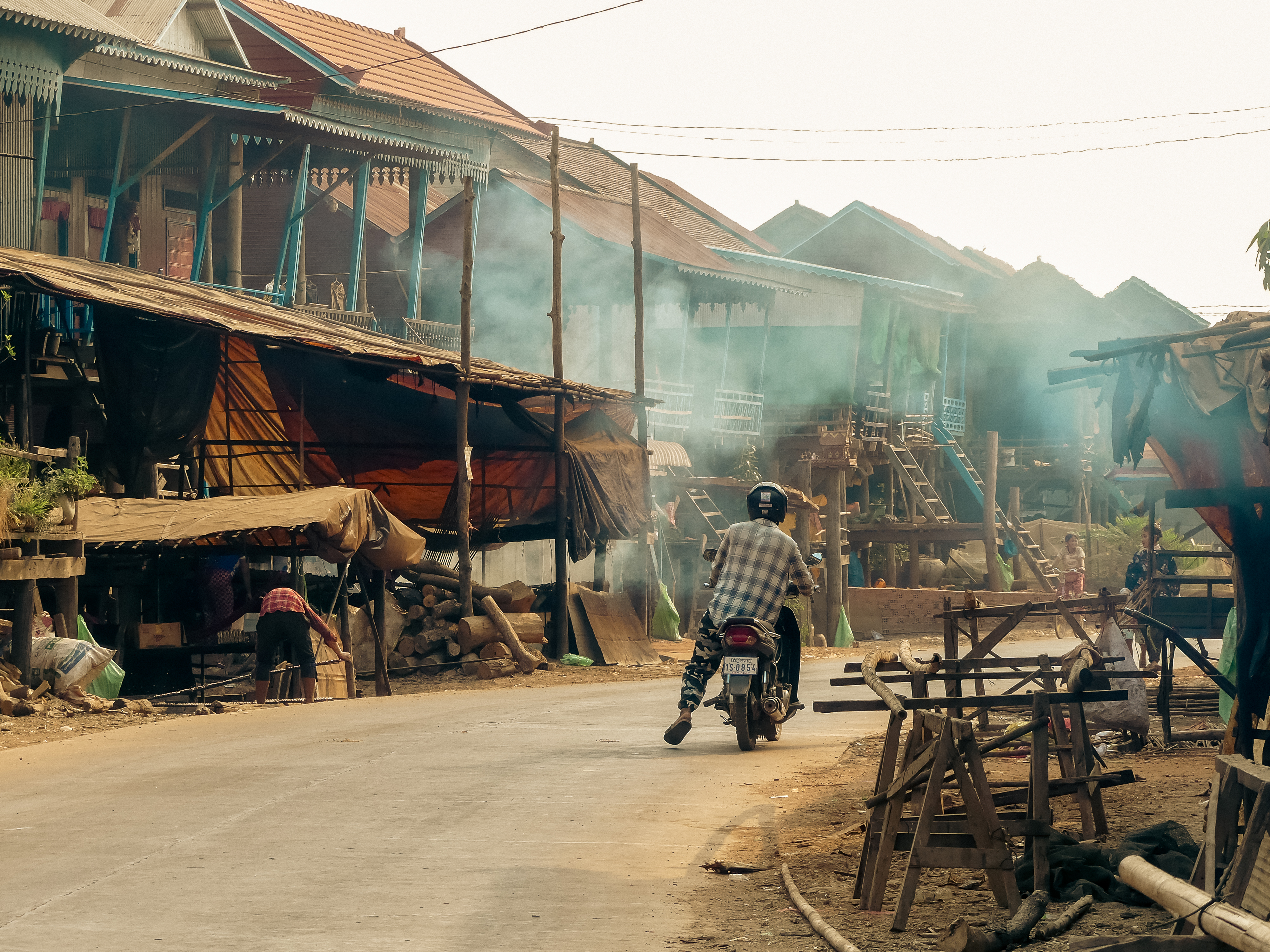
We explored Kampong Khleang, an authentic floating village preserved from mass tourism. This visit, conducted with a local guide, was one of the highlights of our trip, offering a rare glimpse into the daily lives of the inhabitants. The unique atmosphere, the sincere smiles, and the children’s “hellos” as we passed, and the daily hustle of the town, mainly centered around fishing, charmed us.


Day 5: Cooking Class and Exploring Siem Reap

We started the day with a local cooking class, an immersive and delicious experience. In the afternoon, we visited Wat Bo and the royal gardens, a peaceful haven in the heart of Siem Reap.
Day 6: Siem Reap → Phnom Penh
Day 7: Exploring Phnom Penh
Our exploration of Phnom Penh began with Wat Phnom, the founding site of the city, located on a small hill. This temple is an oasis of calm and offers a glimpse into Khmer religious art. Next, we visited the National Museum of Cambodia, an interesting place in history but not exactly a favorite as it consists exclusively of statues; we completed the tour in 45 minutes, and the entry cost $10. In the afternoon, we visited the Royal Palace of Phnom Penh, with the famous Silver Pagoda, whose floor is made of silver tiles. Note that the Royal Palace is closed from 11 am to 2 pm, and entry costs $10.

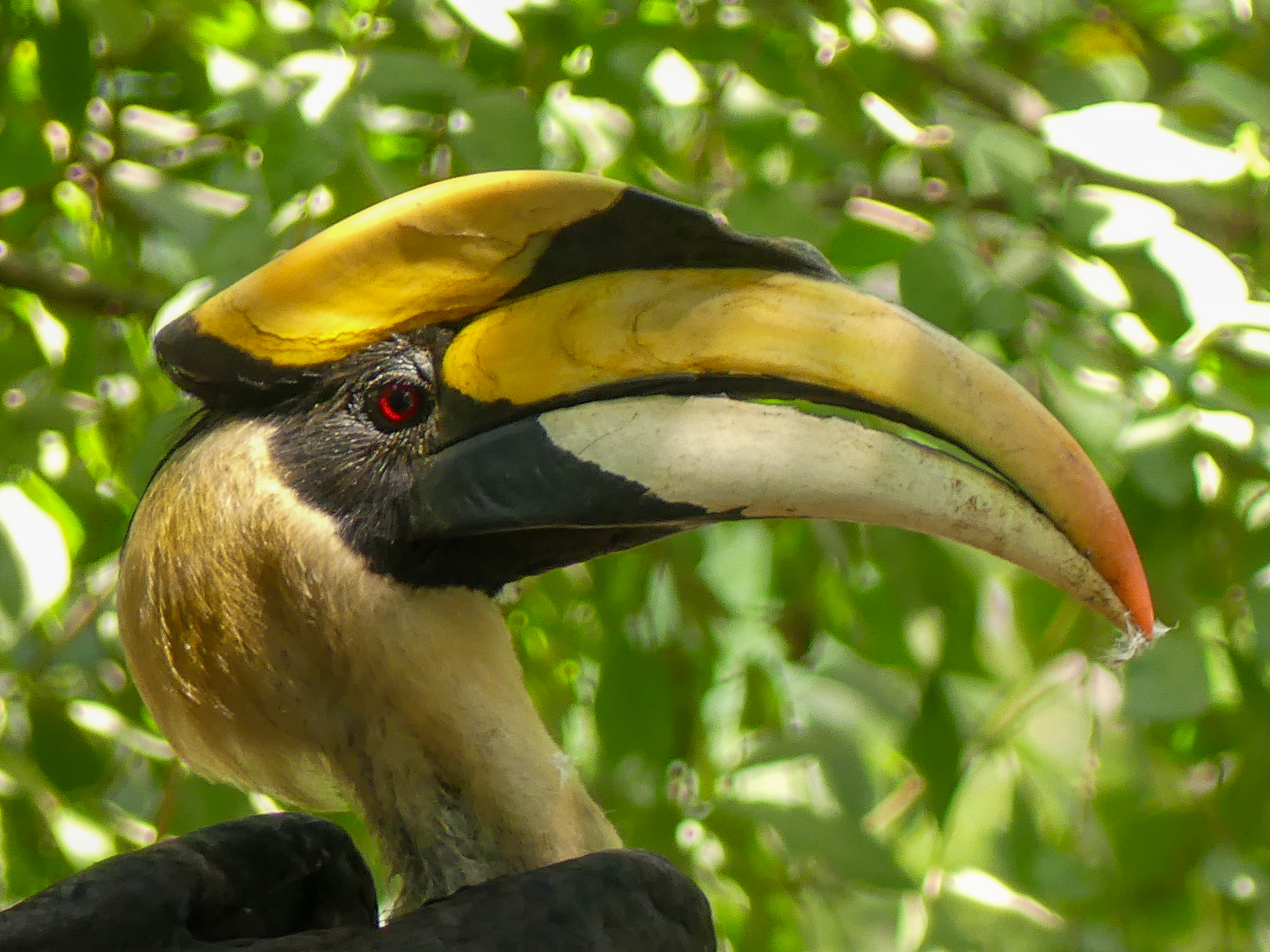
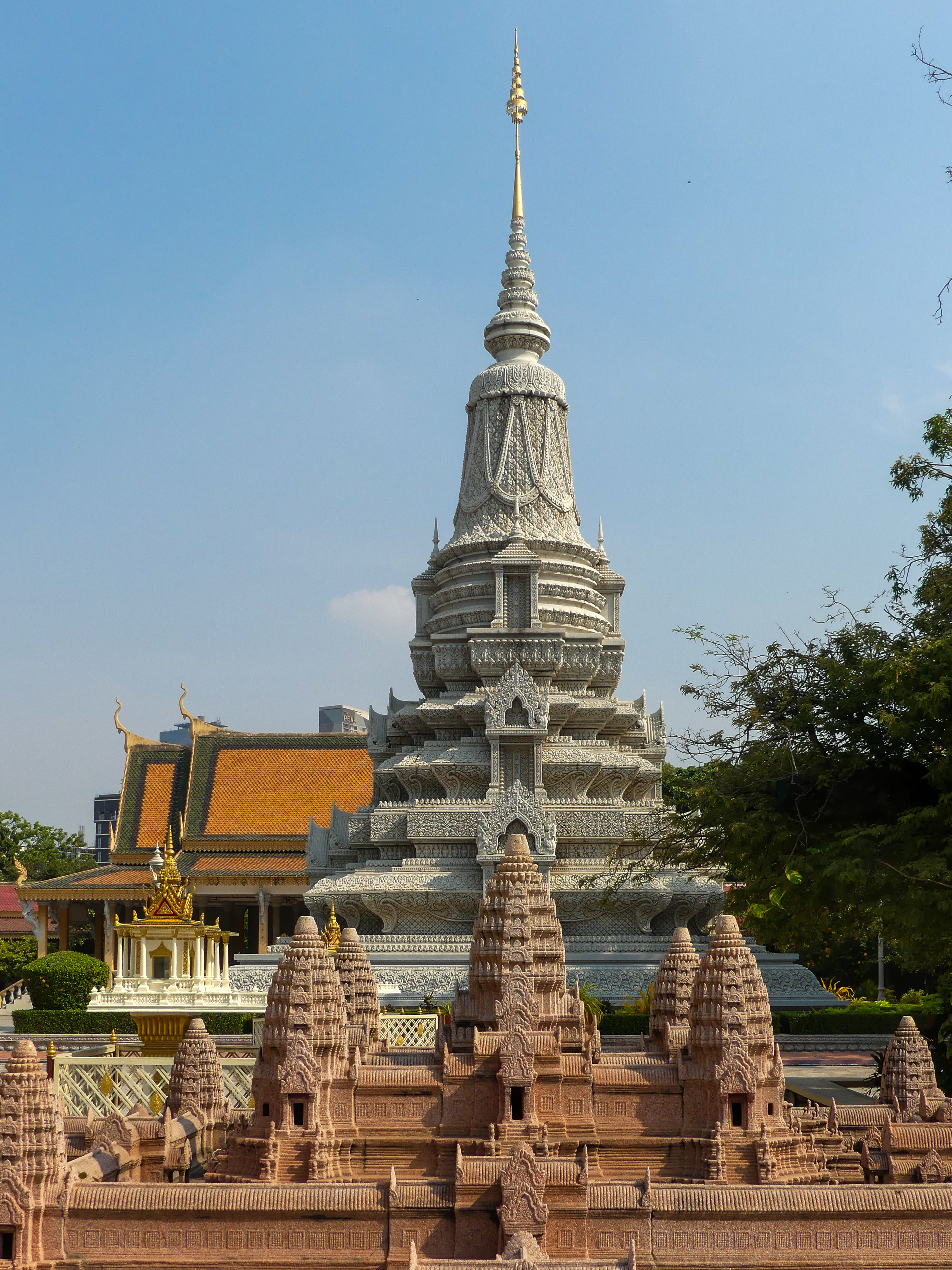

Day 8: Heading to Kampot
The next day, we took an early morning “sleeping bus” to Kampot, a small town known for its pepper and colonial charm. Kampot captivated us with its relaxed atmosphere, ancient buildings, and beautiful river and mountain landscapes.
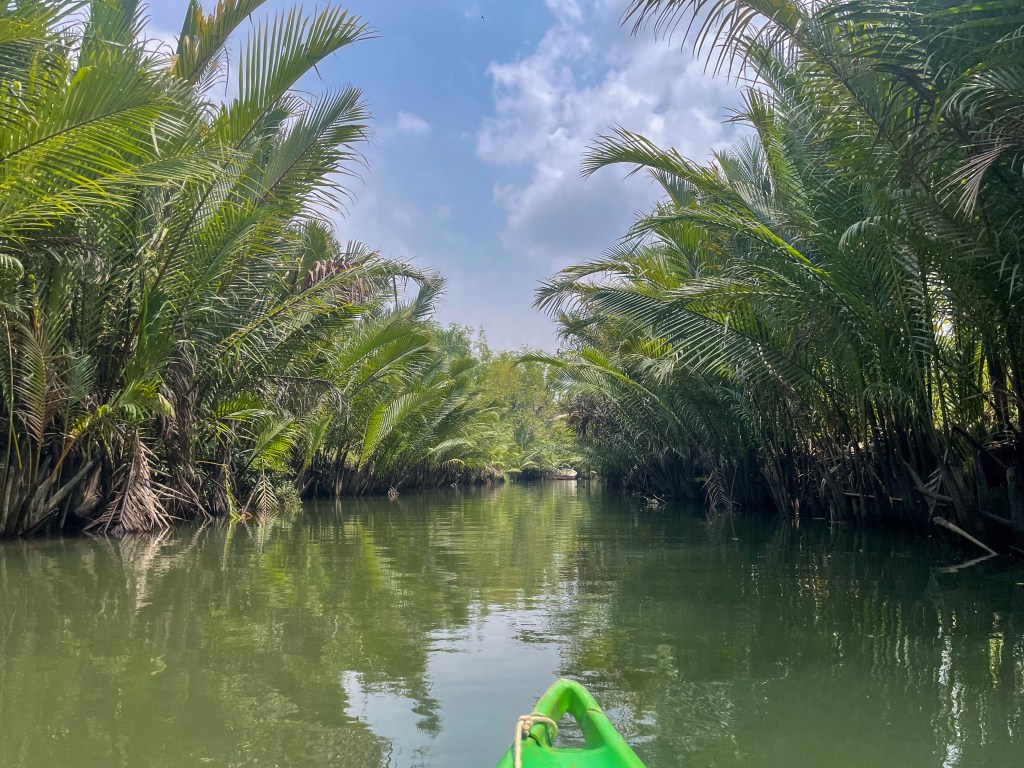
Upon arrival, we kayaked from our hotel, Sabay Beach, to explore Kampot’s famous “Green Cathedral.” We paddled about 3 hours round trip. Don’t forget the sunscreen!
Day 9: Kampot
We took a day-long tuk-tuk (35$) which took us to visit the salt marshes, then on to the Tuek Chou cave for a bit of coolness and adventure, followed by the Secret Lake.

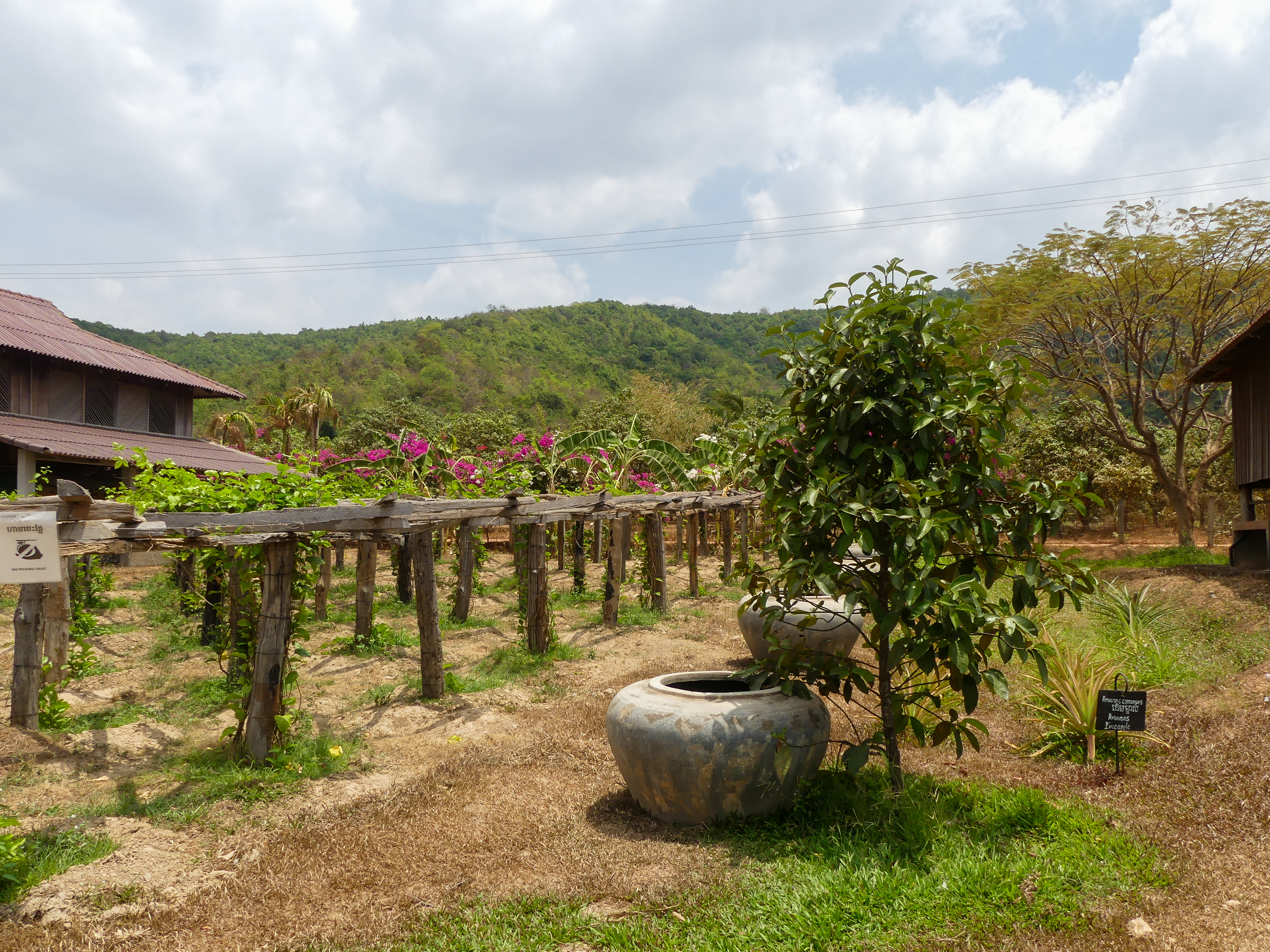

We then headed to La Plantation, a Kampot organic pepper farm run by a Franco-Belgian couple for 10 years, where we learned why Kampot pepper is so special. To finish, we visited the Kep Crab Market, where eating fresh crab is almost a rite of passage!
Day 10: Kampot → Koh Rong
We took the train from Kampot to Sihanoukville, which takes about 2 hours, then a boat from Sihanoukville to Koh Rong (45 minutes). We stayed at the You & Me Resort, which I highly recommend!
Days 11 to 13: Koh Rong
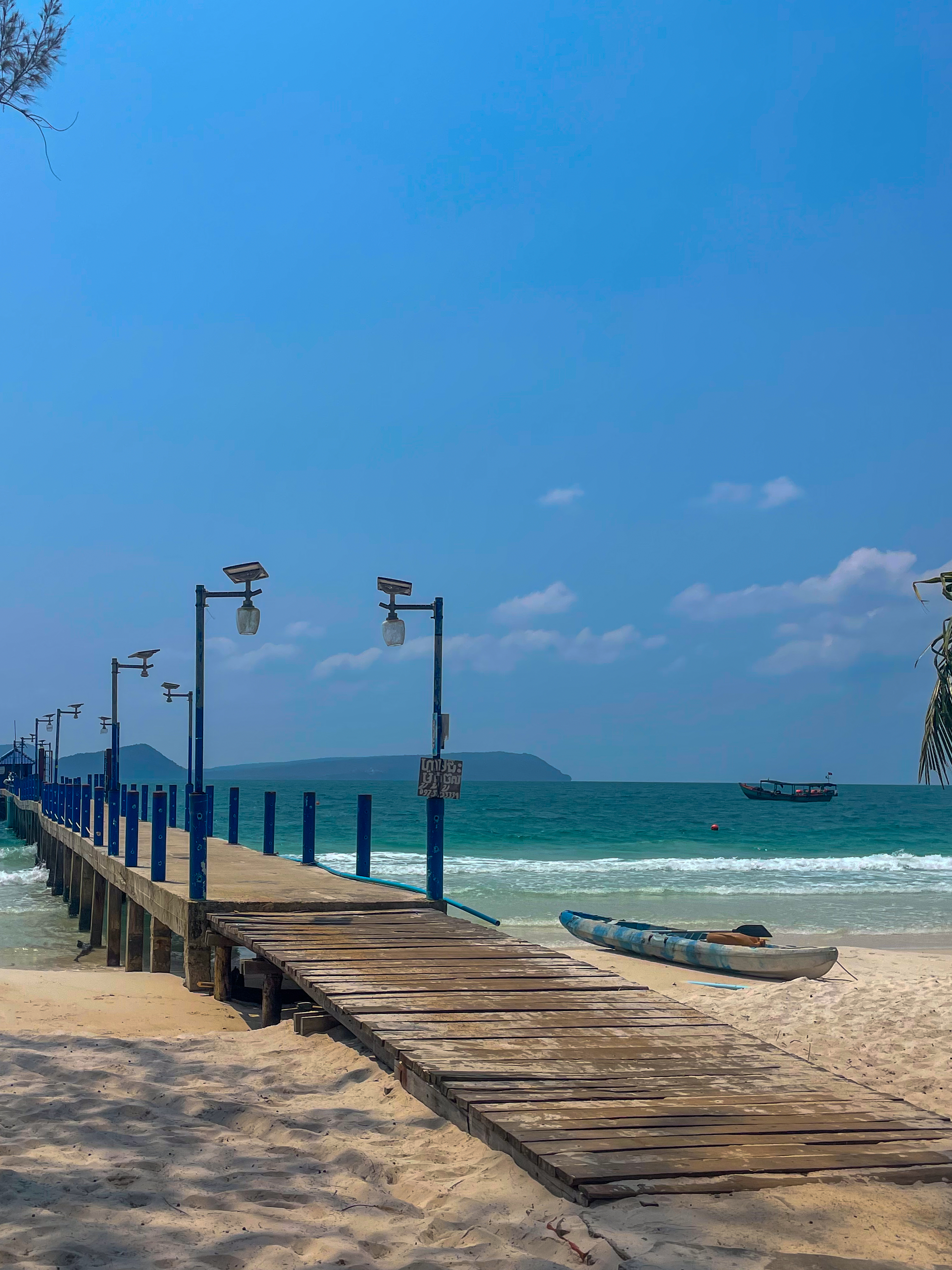
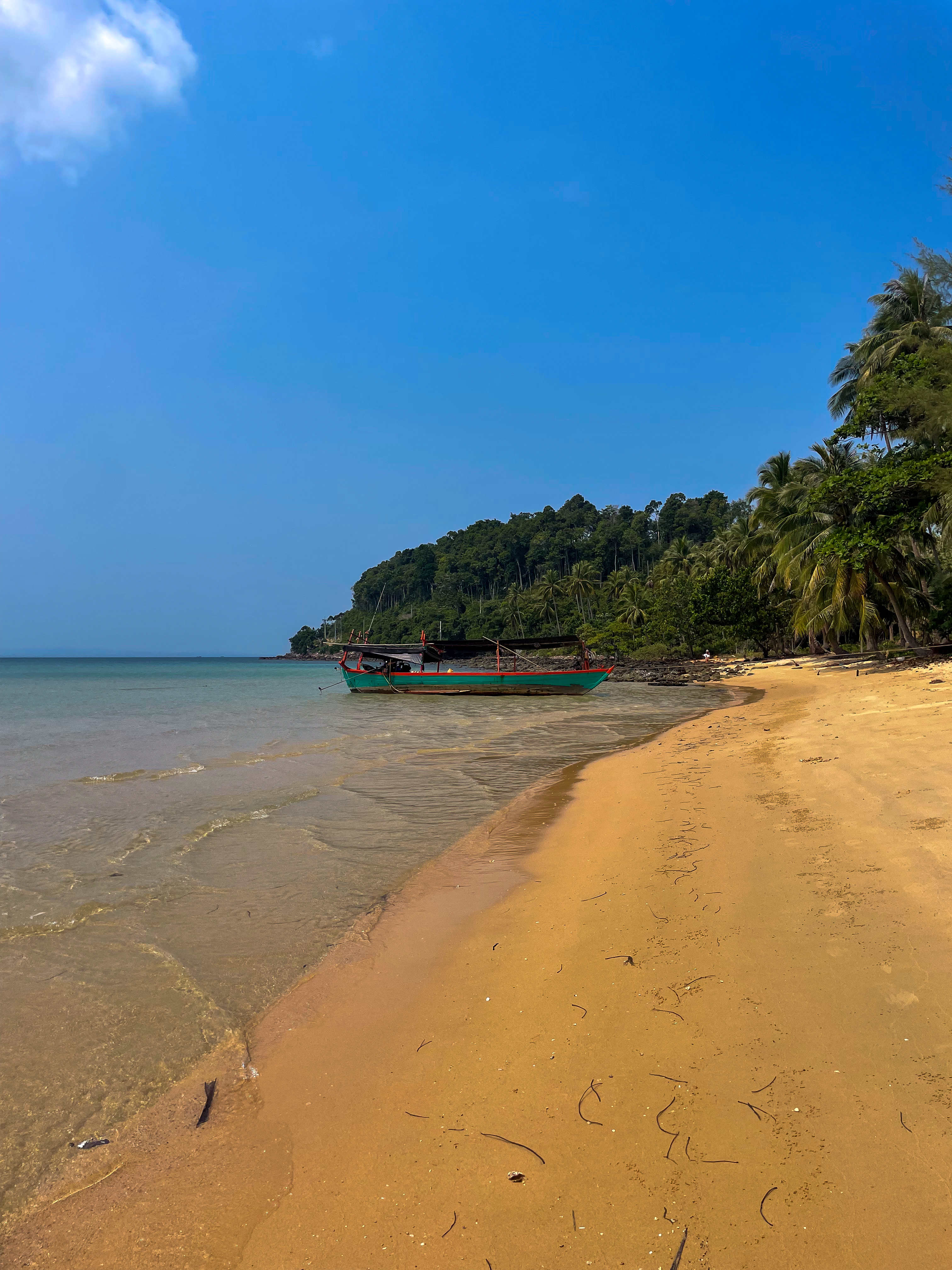
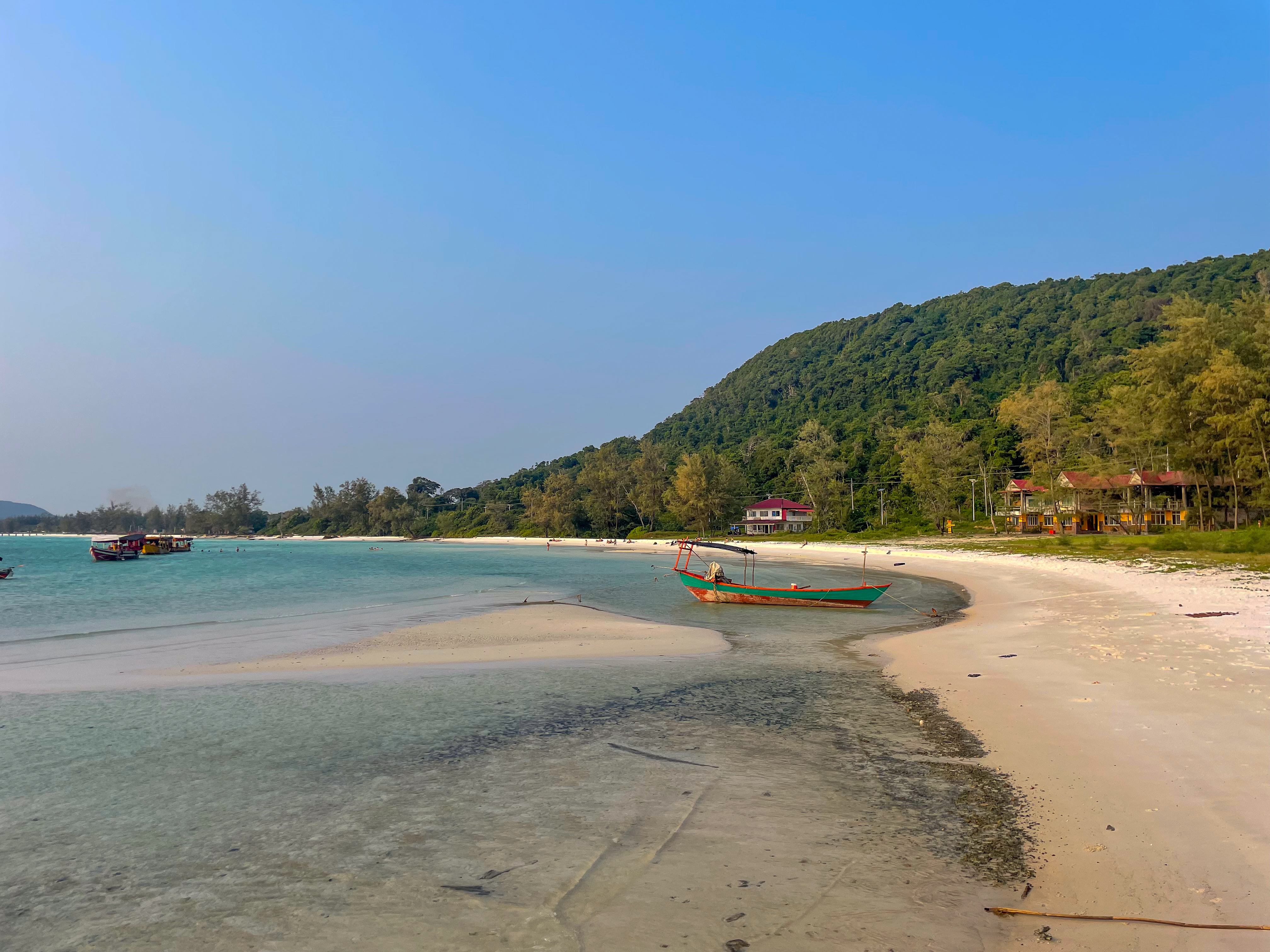
This was our relaxation stop. We mainly snorkeled, rode scooters around the island, and discovered some beautiful beaches – our favorites were Lonely Beach and Sok San Beach.
Day 14: Koh Rong → Phnom Penh
We took a minivan from Sihanoukville back to Phnom Penh in 3 hours, then headed to the airport for our return flight to Paris CDG via Bangkok!
This journey was not just a trip but a deep dive into Cambodia’s rich culture, breathtaking landscapes, and the warmth of its people, rekindling memories and creating new ones that will last a lifetime.




 m'digital nomad
Leave a comment