
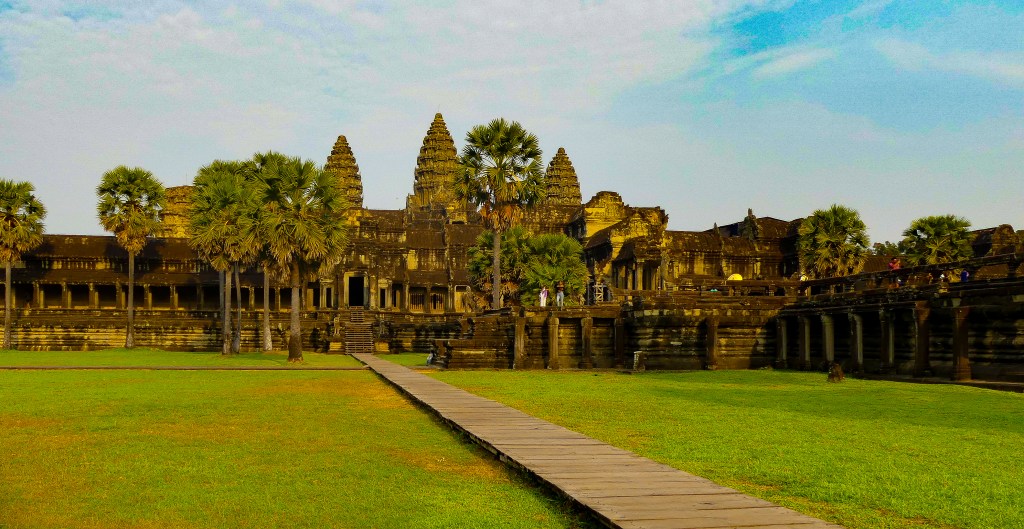
Accessing Angkor:
Siem Reap is 8 km away from the earliest temple sites, and is the preferred gateway if you wish to explore the Angkor Archaeological Park, designated as a UNESCO World Heritage site.
Angkor Pass
To visit the sites, you must obtain an Angkor Pass. 2 solutions are possible:
1 – Buy Tickets at the “Angkor Enterprise” located on 60th Street near the Angkor Panorama Museum. Ticket sales are open every day from 5 AM until 5:30 PM. Passes purchased post 5 PM are effective the following day.
2 – Buy tickets online: https://ticket.angkorenterprise.gov.kh/
Angkor Pass 1 day costs $37
Angkor Pass 3 days costs $62
Angkor Pass 7 days costs $72
NB: You are not bound to use the pass on successive days. For example, we took the 3-day pass online and went on Monday, Tuesday and Friday.
The 3-day pass is valid for 10 days, and the 7-day pass for one month.
The Angkor Pass gives you entry to all the temples in the Archaeological Park (Angkor Thom, Bayon, Preah Khan, Angkor Wat, Ta Prohm…), as well as to the temples of the Roluos complex (Preah Ko, Lo Lei, and Bakong), and to the temples of Banteay Srey and Banteay Samre.
Specific entrance fees are charged for the remote sites of Beng Mealea ($5), Phnom Kulen ($20), Koh Ker ($10) and Preah Vihear ($10).
Dress code in Angkor Temples:
To show respect in the temples, shoulders and knees must be covered. Bring a head covering and comfortable, safe shoes.
Preparing your visit: TukTuk, Bike, Guided tour? What’s the price?
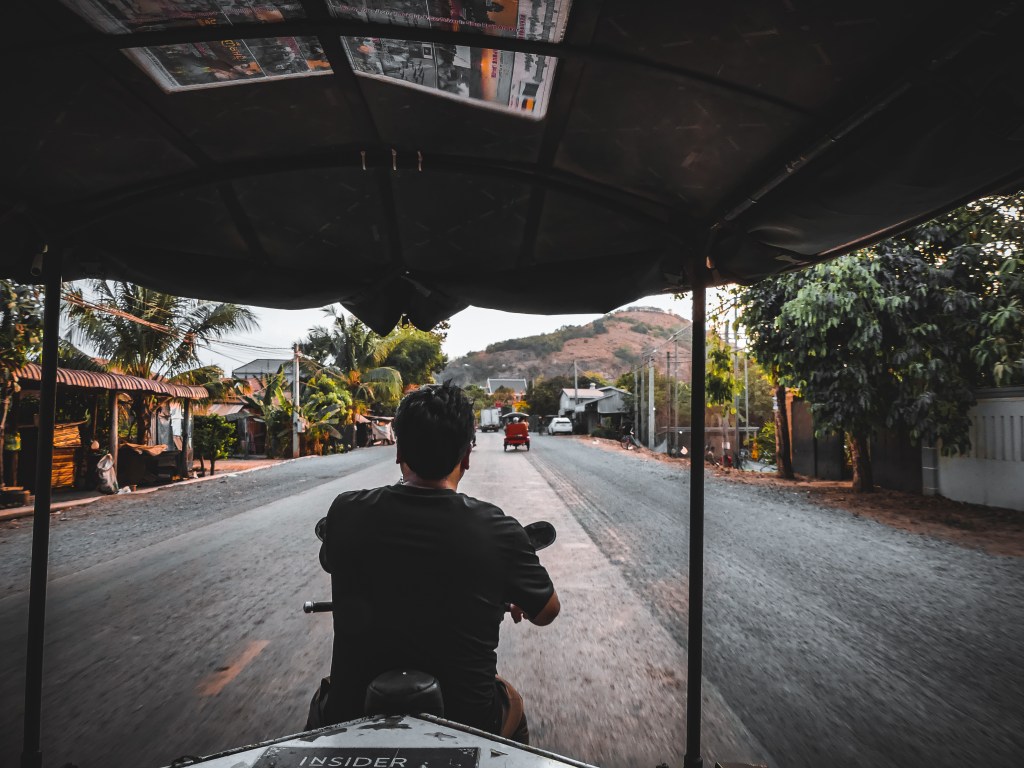
Visiting Angkor by TukTuk or by car:
Although you can negotiate prices with your driver, on average the “small” tour of Angkor will cost you around $20 by TukTuk and the ” Big Tour ” of the temples is around $25/$30.
If you wish to go by car, you’ll be charged an additional $5 to $10. The car is a good idea if you’re suffering from the heat, plus most of the time your driver will be waiting for you with cool bottles of water in the car!
Visiting Angkor by bike:
If you’re a cycling fan, exploring Angkor by bike is a wonderful experience! But take care: the heat is intense, so make sure you’re physically prepared for it.
Angkor Archaeological Park is very welcoming to cyclists. Most of the roads around the park are equipped with cycle paths, and drivers are used to sharing the road with cyclists.
Visiting Angkor with a guide:
Taking a guide to the temples of Angkor is a question everyone asks, and you should expect to pay $50 a day for a guide (with the TukTuk it’s $65/70 a day). If you’re visiting the Angkor site but don’t want to take a guide, it’s very easy to do on your own – there’s no problem. However, if your budget allows, I recommend that you take at least a guide to tour the main temples, as the history is extremely interesting.
For guide or driver recommendations, I suggest you either ask your hotel or take a look at this Facebook group, which is a goldmine of information!
Big Tour of Angkor: Preah Khan, Neak Pean, Ta Som, East Mebon, Pre Rup
Preah Khan Temple:
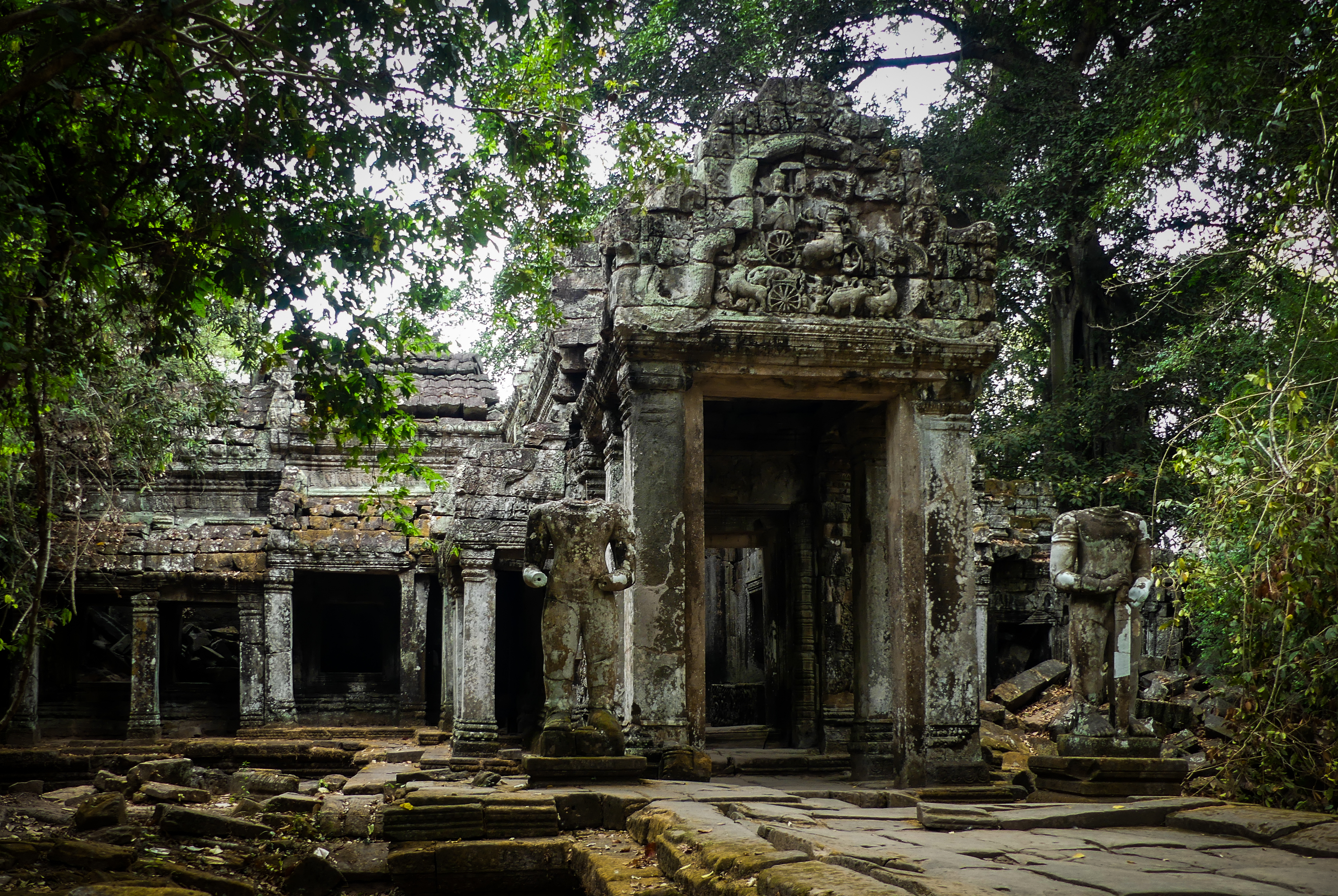

This extensive site served as both a city and a monastery. Preah Khan (“the sacred sword” in Khmer) was built between 1184 and 1191 on the site where Jayavarman VII fought a victorious battle against the Chams who had invaded Angkor in 1177. The temple walls and corridors are filled with intricate carvings that are remarkably well-preserved.
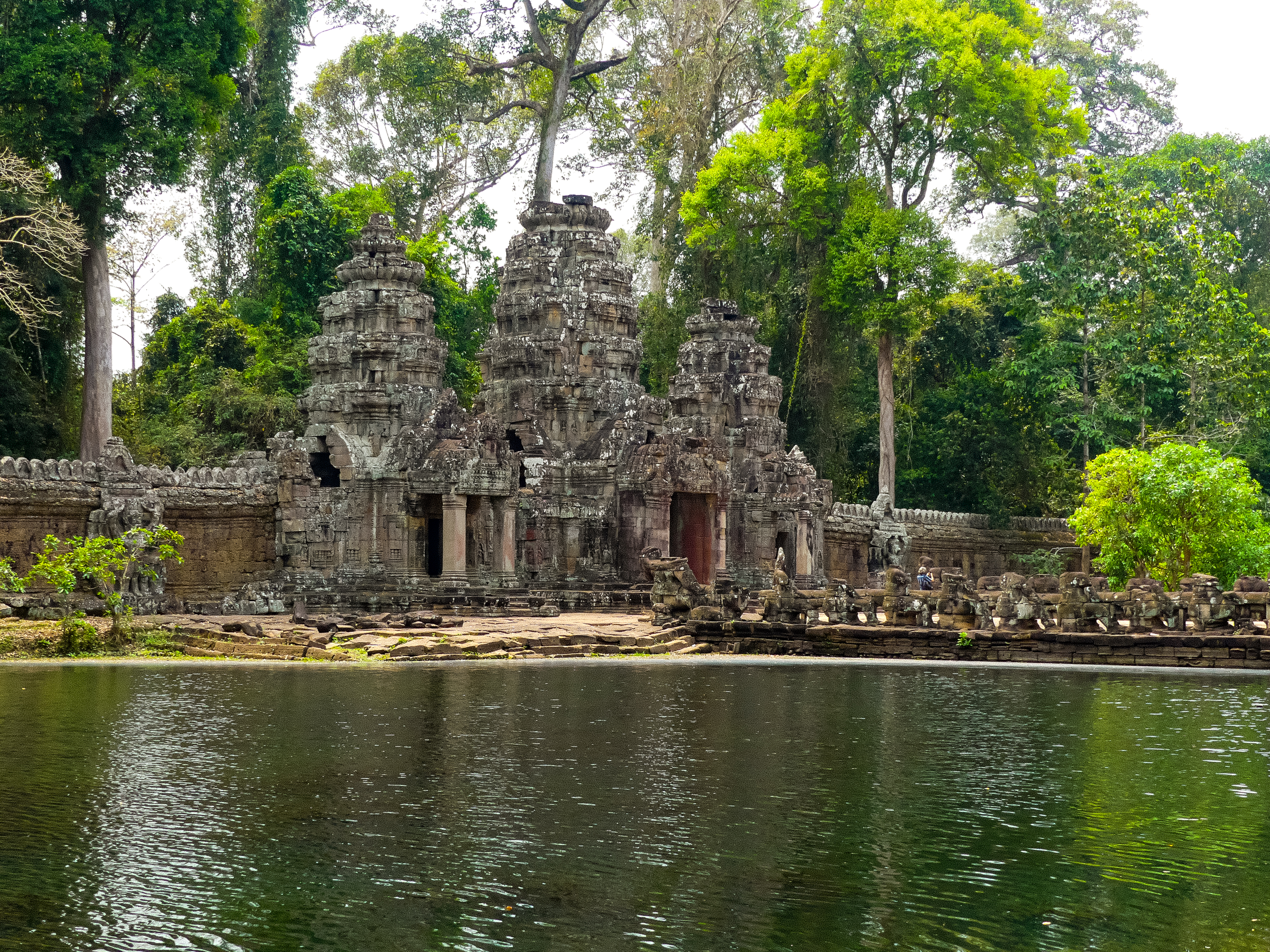
This complex was once a veritable city, housing up to 1,000 teachers during its golden age!
Neak Pean:

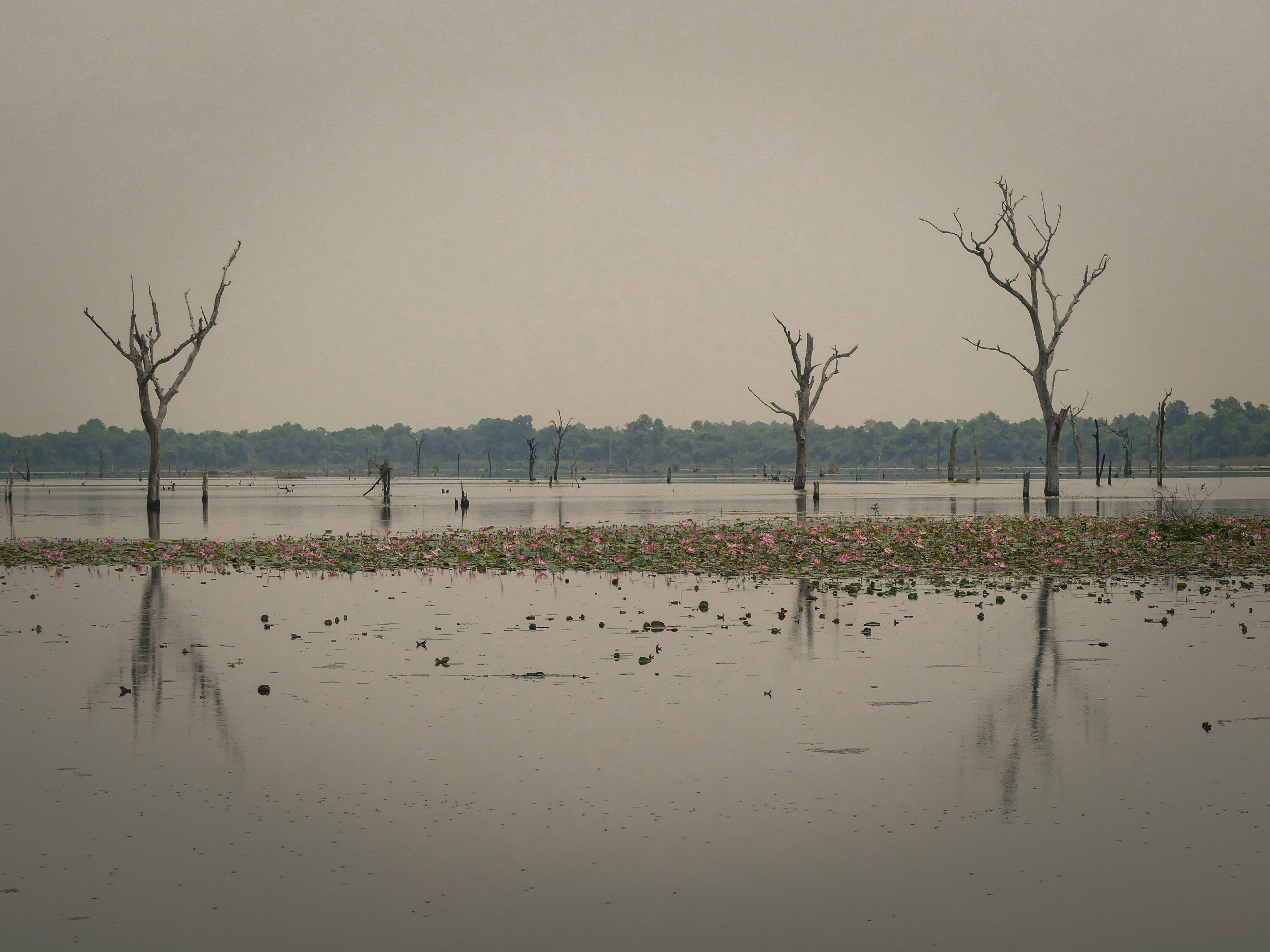
This unique temple is built on an island in the middle of a reservoir. The setting is picturesque. Some historians believe that Neak Pean represents Anavatapta, a mythical lake in the Himalayas whose waters are believed to cure all illnesses. It’s smaller and more symbolic, centered around a pool with a Buddha statue.
Ta Som:
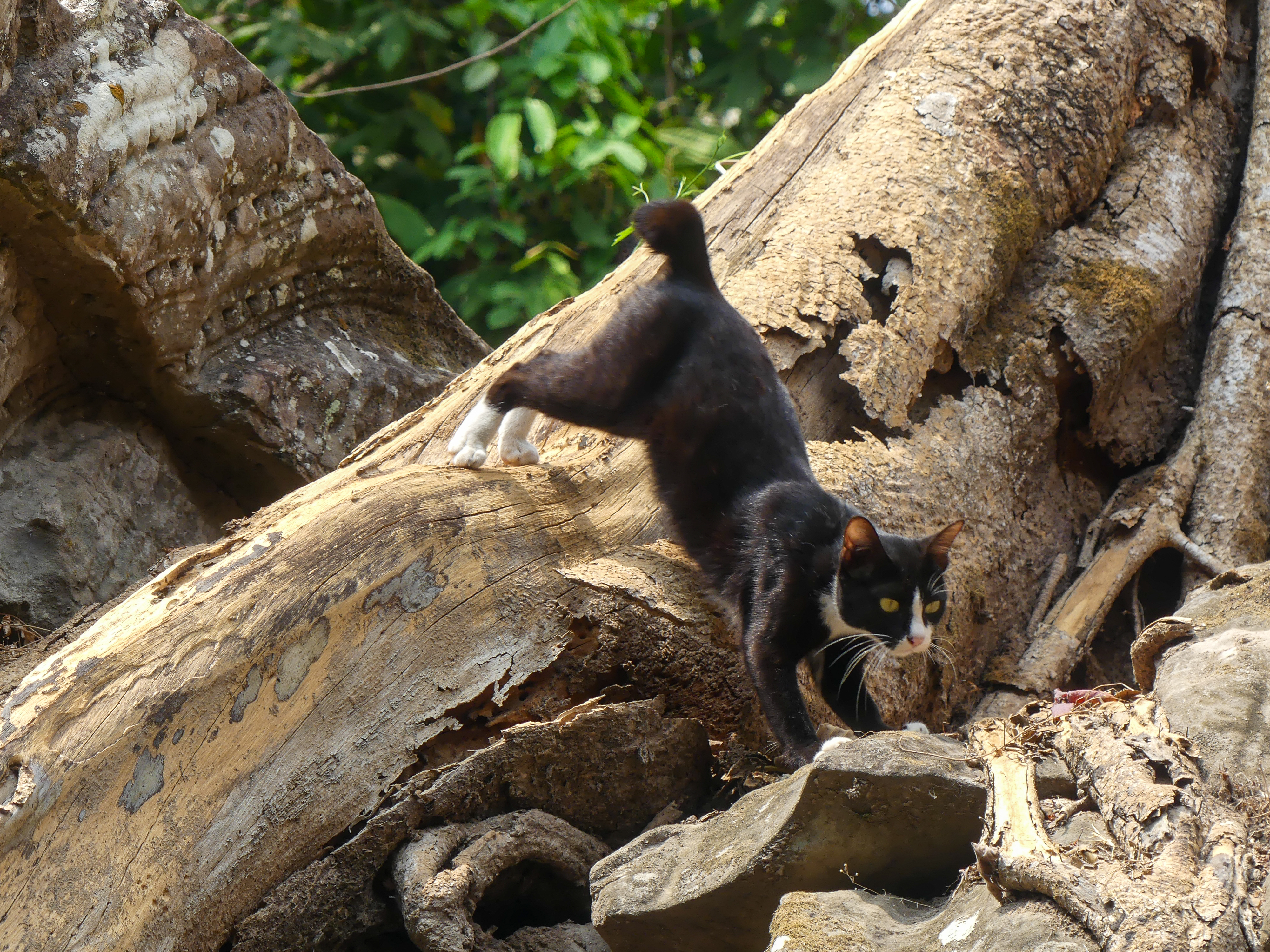
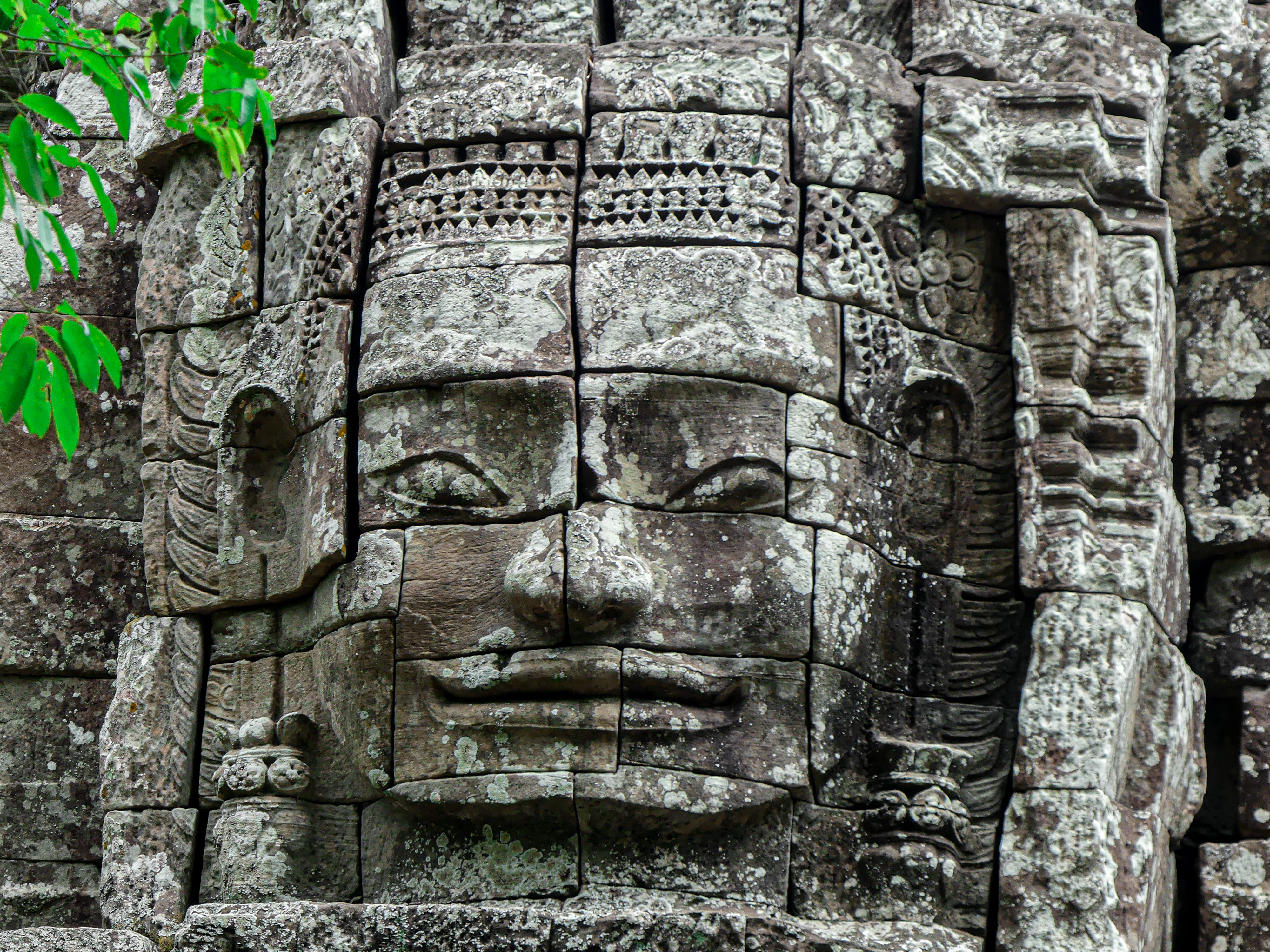
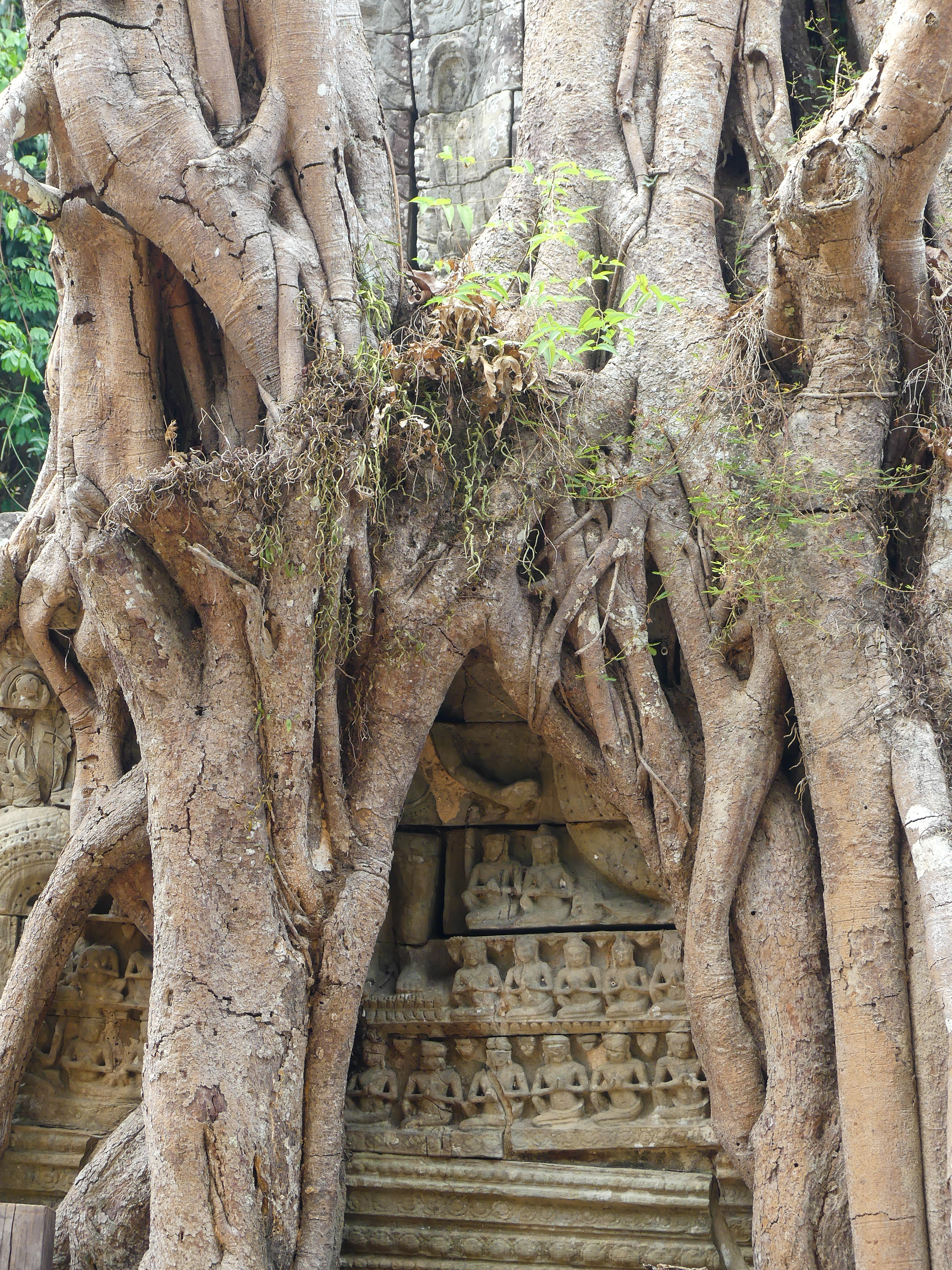
Ta Som is famous for the large tree growing out of its eastern entrance. It’s smaller and less restored than many other temples, offering a more authentic feel. It has a surrounding wall with two entrances. These entrances, called Gopuras, are each surmounted by a tower with four faces.
East Mebon:
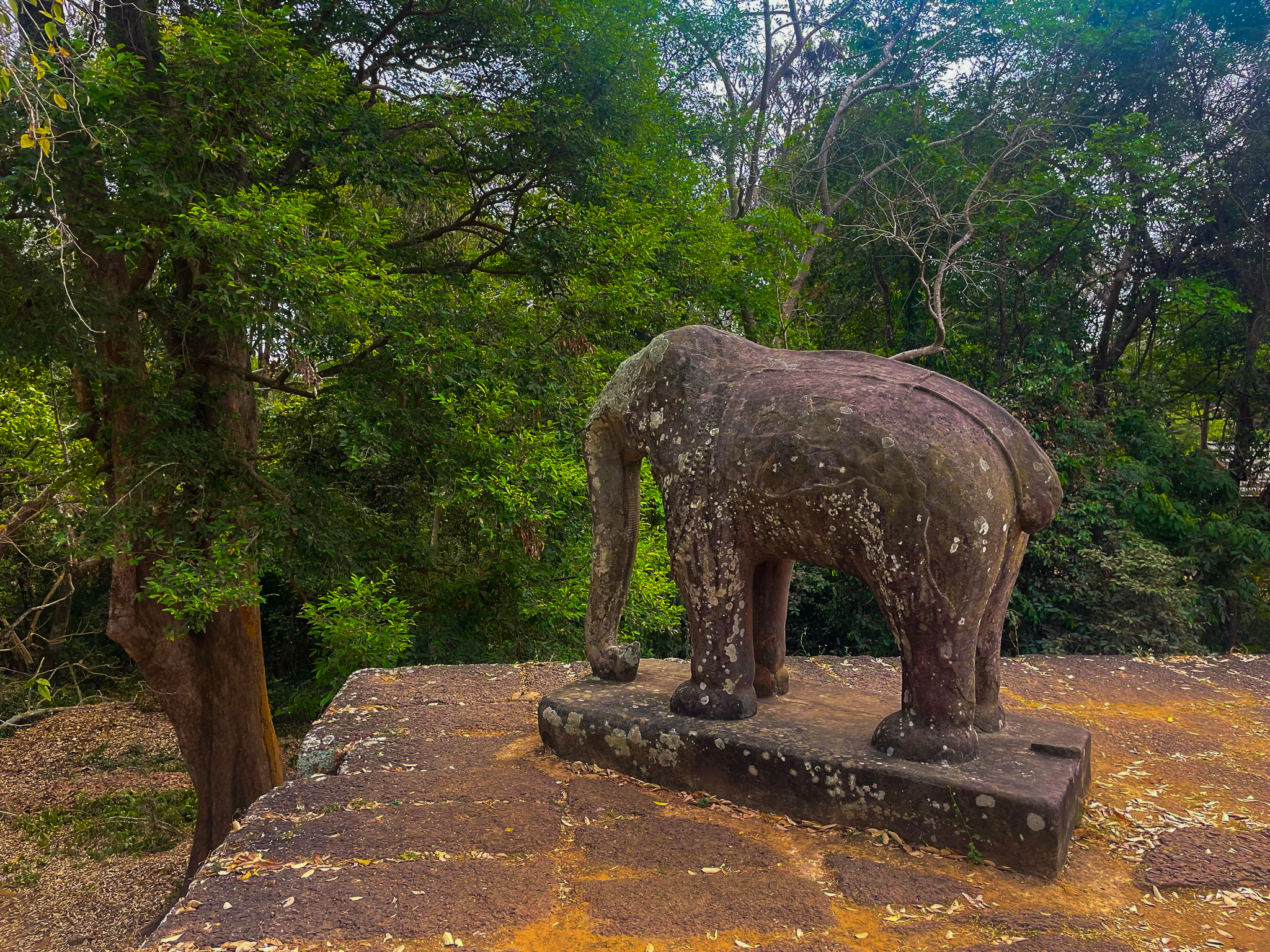

The Mebon Oriental is a Hindu temple dedicated to the god Shiva, built in the 10th century during the reign of King Rajendravarman II. Originally located on an island, this temple is known for its elephant statues. It’s built on a raised platform, and you can climb it for a good view of the surrounding area. The architecture here is quite robust and impressive!
Pre Rup
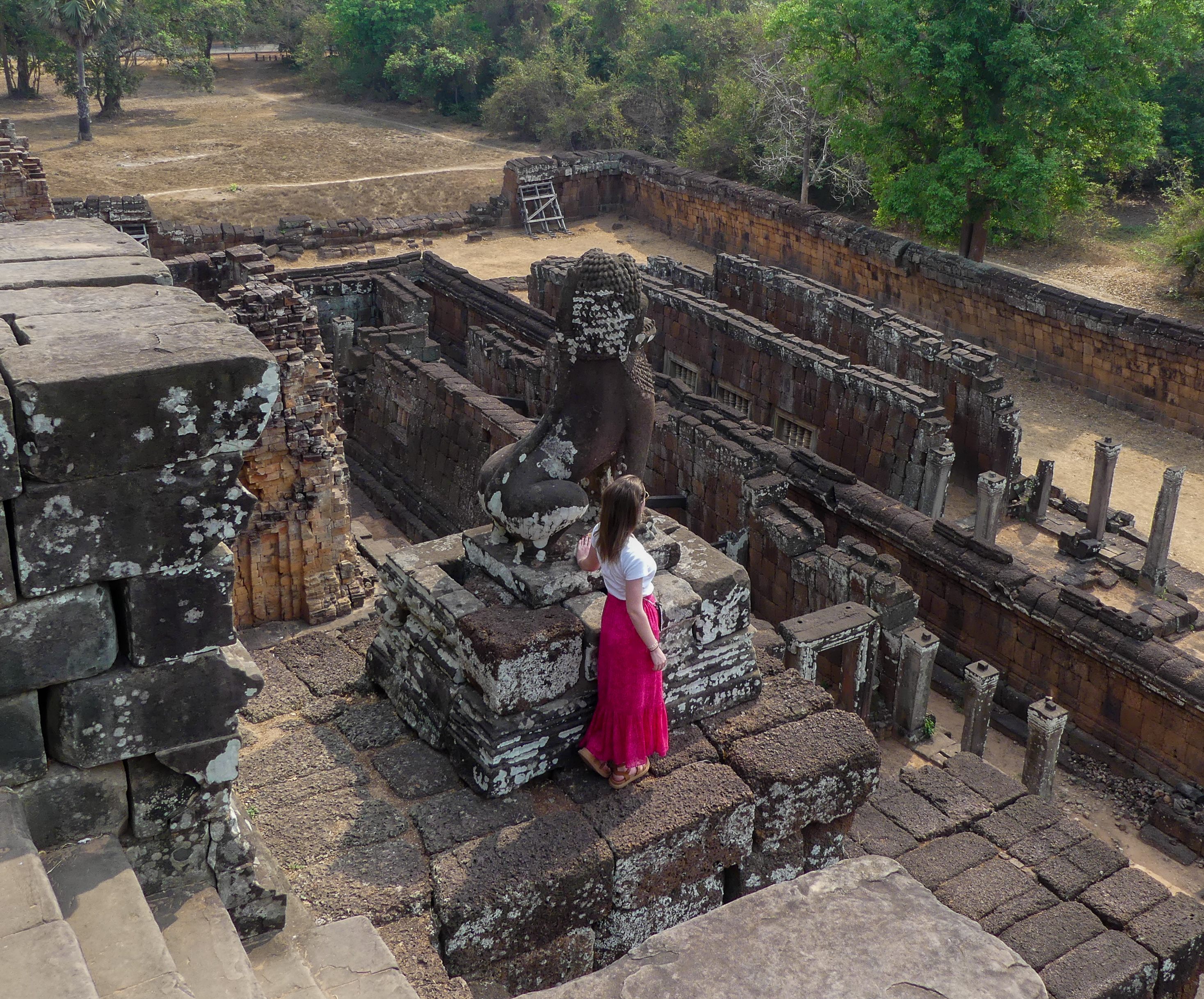
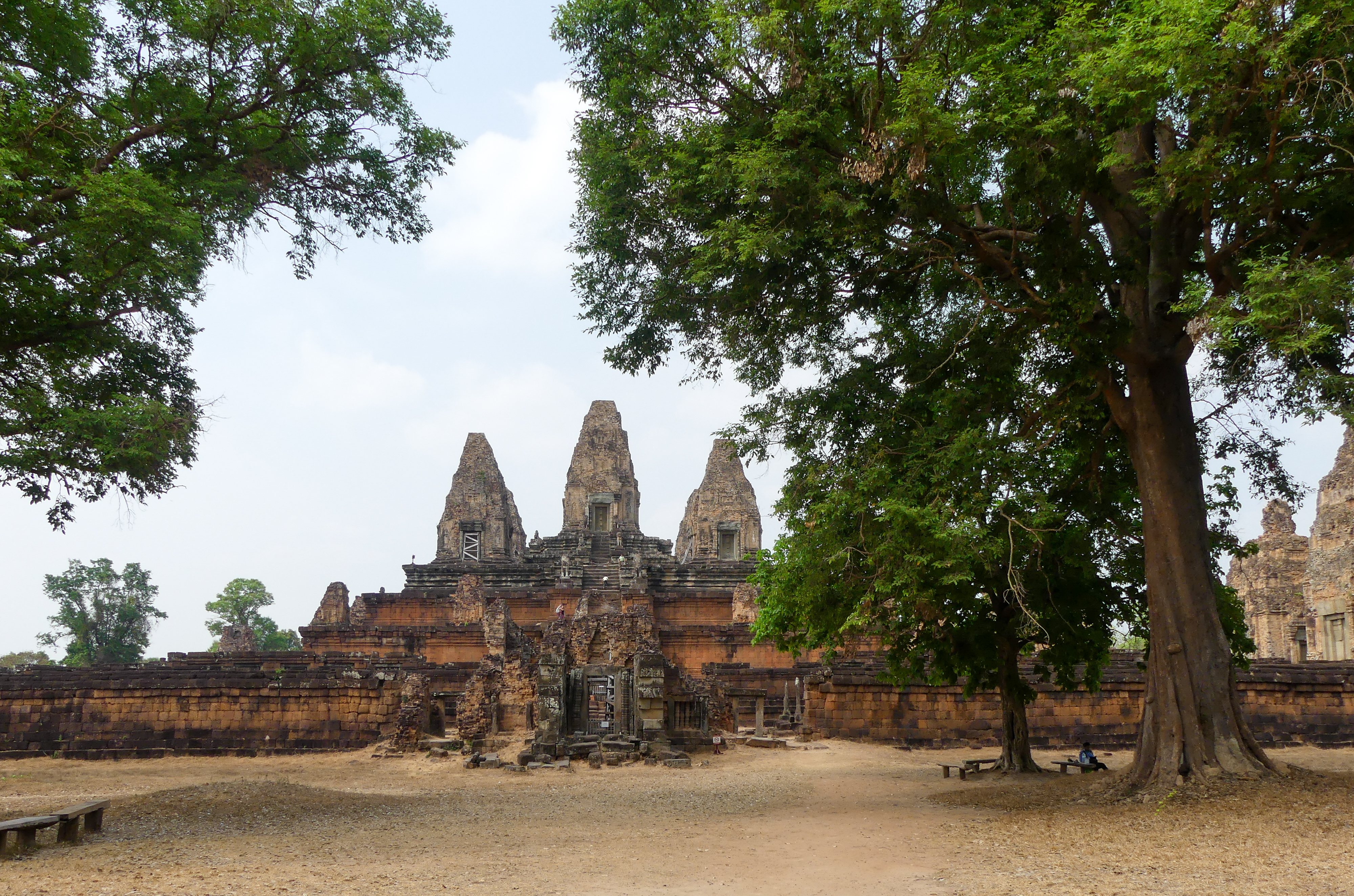
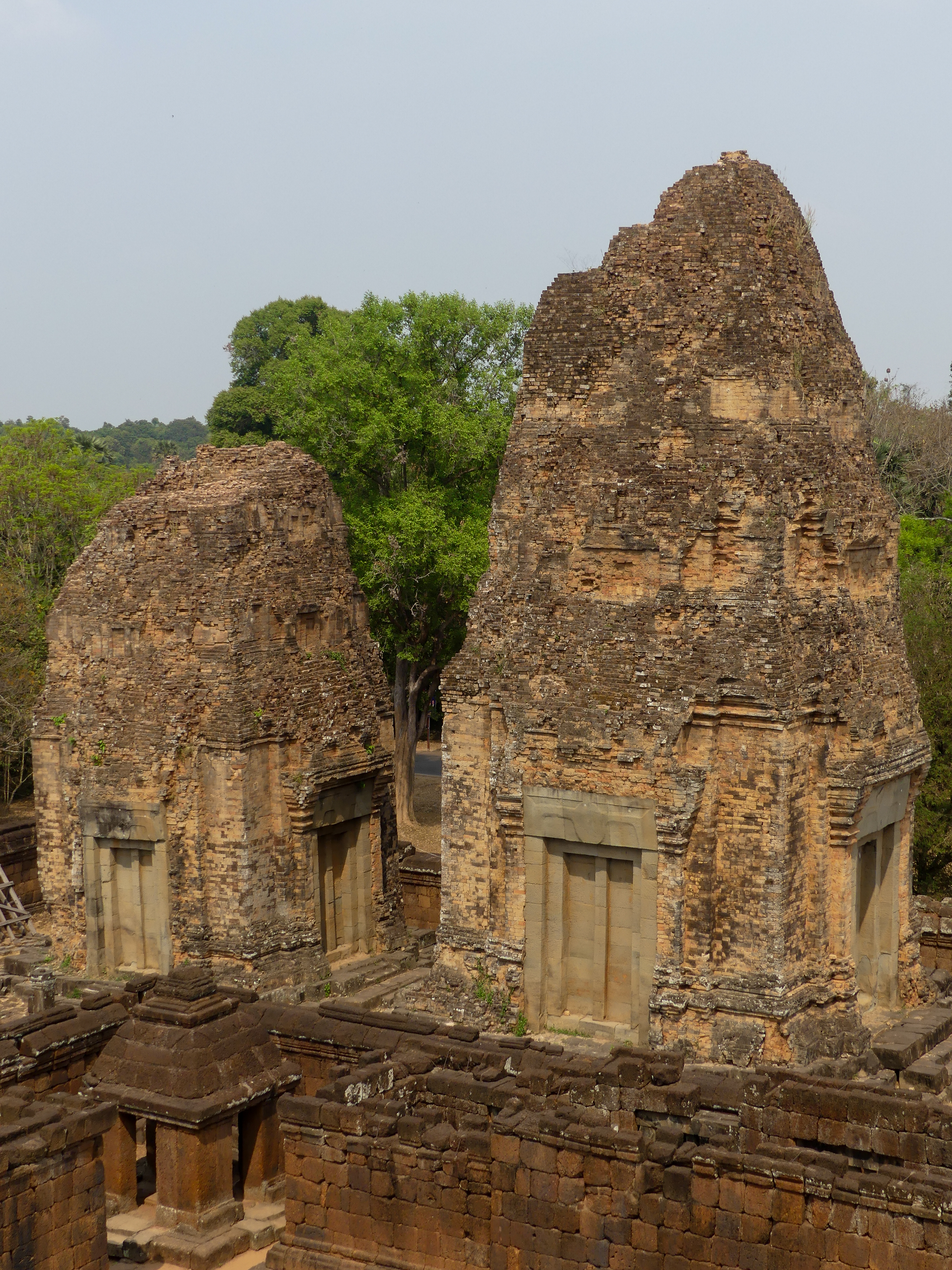
Known for its beautiful sunsets, this temple resembles a mini Angkor Wat. Climbing to the top offers panoramic views, making it a fantastic spot to end your day.
Small Tour of Angkor: Angkor Wat, Ta Phrom, Banteay Kdei, Ta Keo, Angkor Thom, Bayon
Angkor Wat:
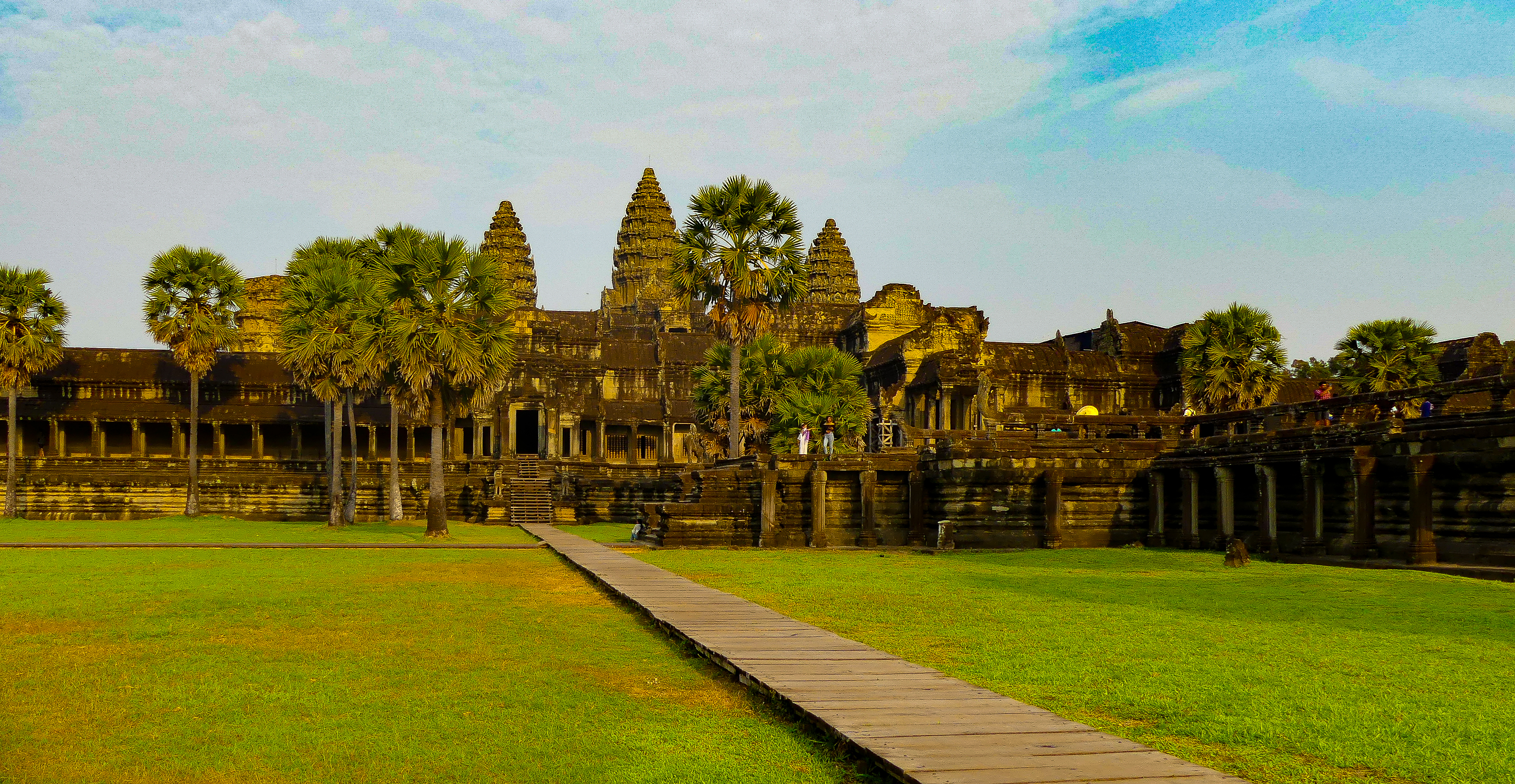
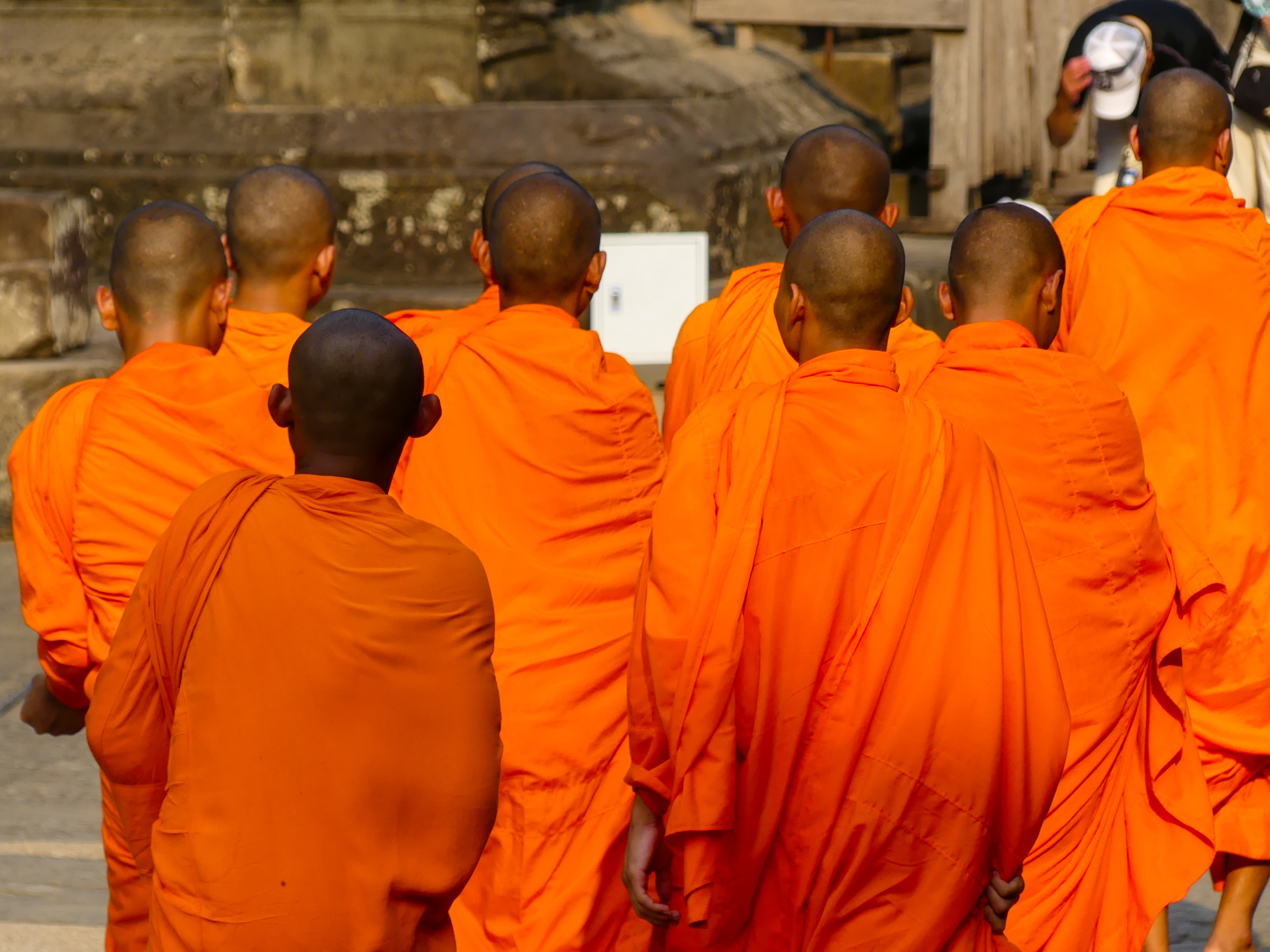
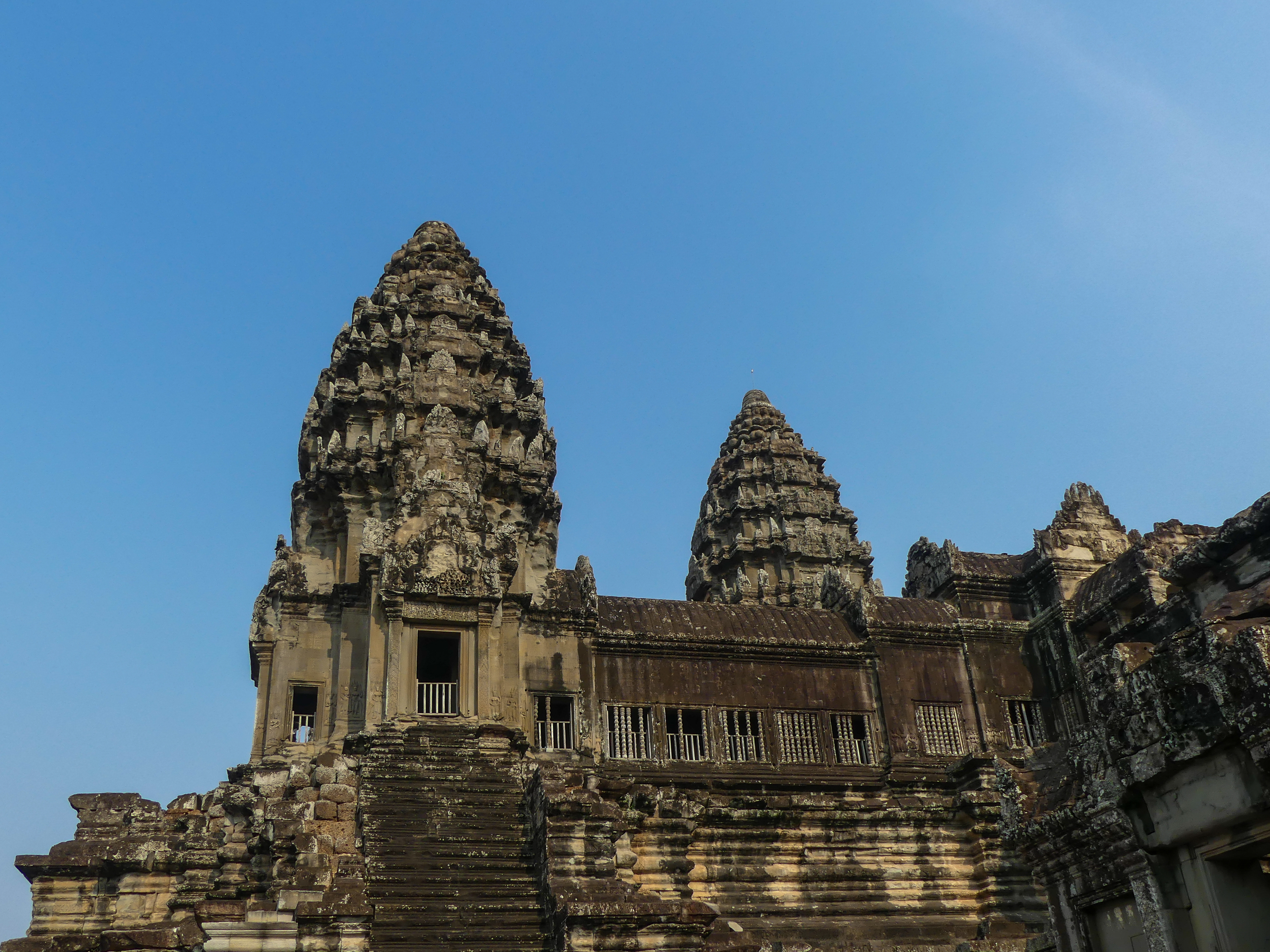
Angkor Wat is the largest and most famous temple within the Angkor complex. Built in the 12th century, it is a masterpiece of Khmer architecture, known for its grand scale and detailed carvings. It’s particularly stunning at sunrise.
Ta Phrom:
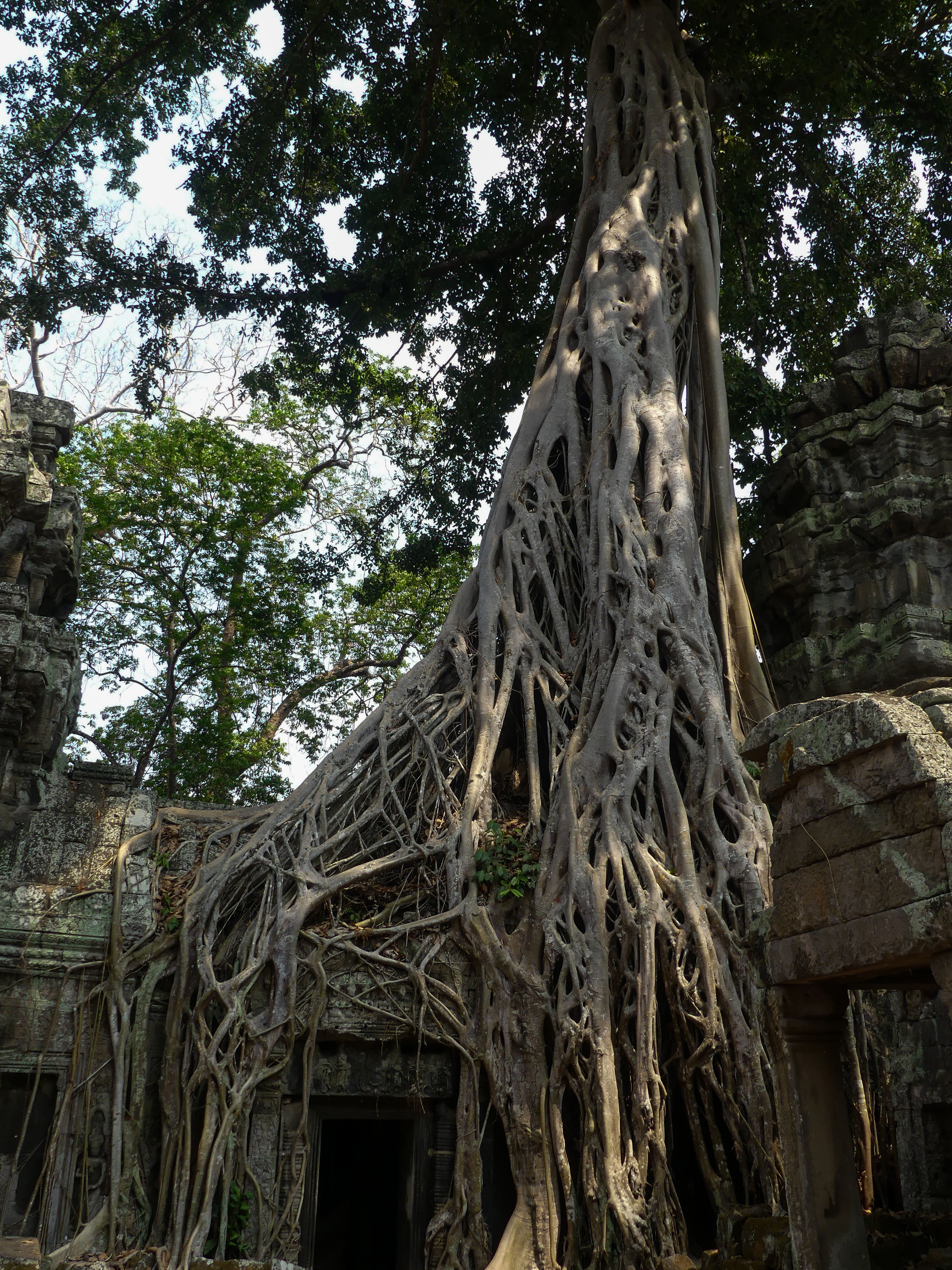

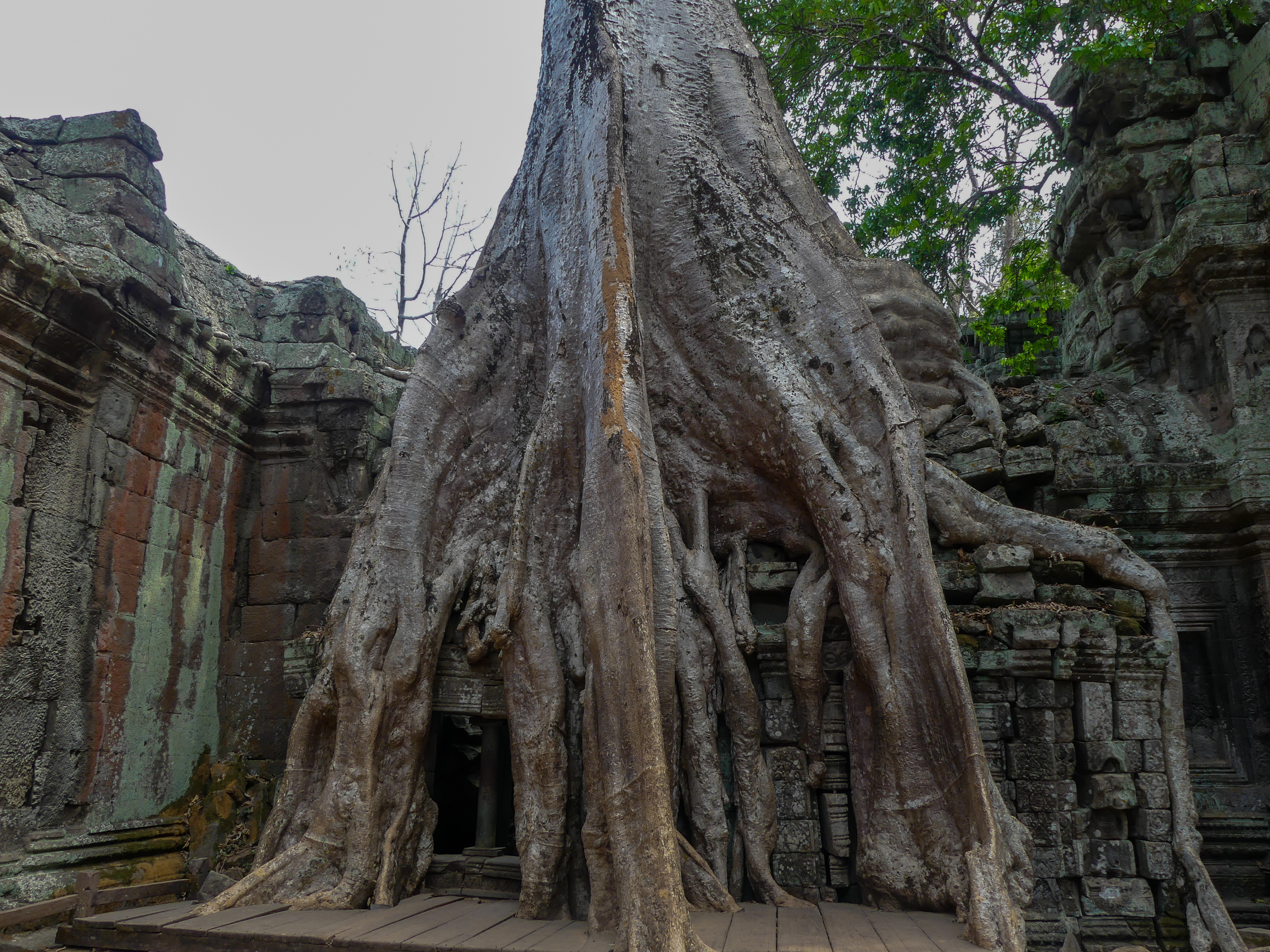
Ta Phrom is famous for the giant trees growing out of its ruins, making it one of the most picturesque temples. Known as the Temple of Tomb Raider due to its use as the mystical backdrop for the 2001 Hollywood blockbuster with Angelina Jolie.
It remains much as it was found, embodying the aura of an ancient and mysterious jungle temple.
Banteay Kdei:
A lesser-known temple, Banteay Kdei offers a quiet, meditative atmosphere. It features complex galleries and fine carvings, though much of the temple is in a state of disrepair, adding to its charm.
Ta Keo
Ta Keo is an enormous sandstone temple-mountain that stands out due to its unfinished state and lack of intricate carvings. Its sheer size and structure reflect ambitious architectural plans.
Angkor Thom
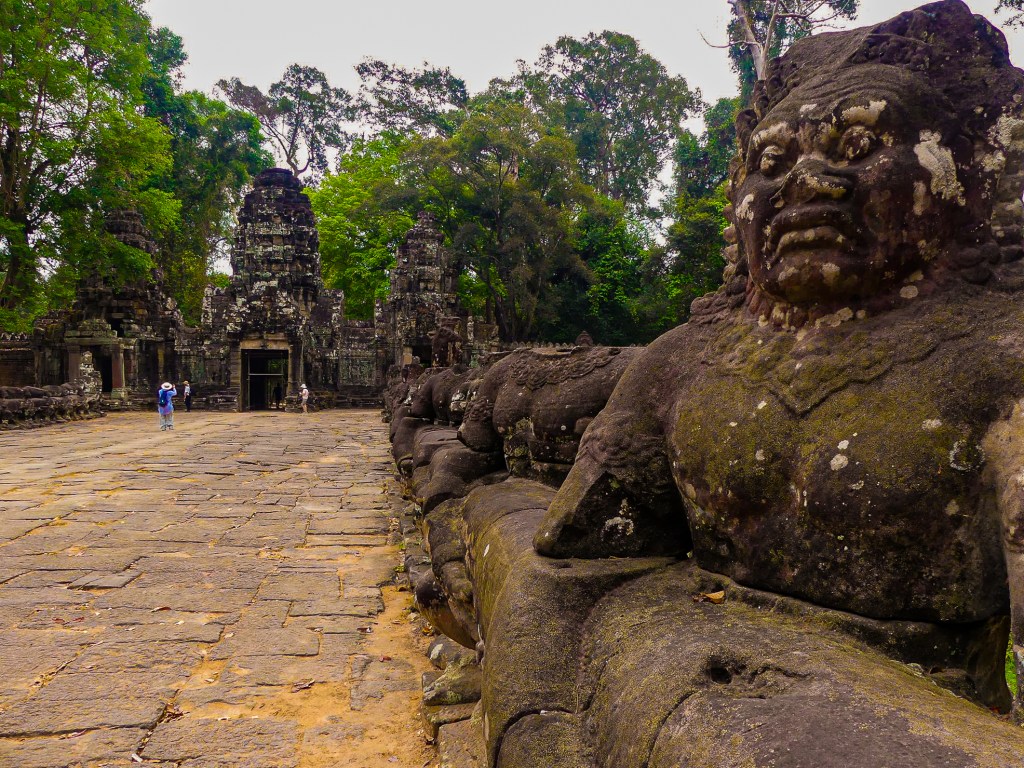
Angkor Thom is the last capital of the Khmer Empire and a massive city complex. It houses several monuments, including the Bayon, Baphuon, and Phimeanakas, surrounded by impressive gates and walls.
Bayon:
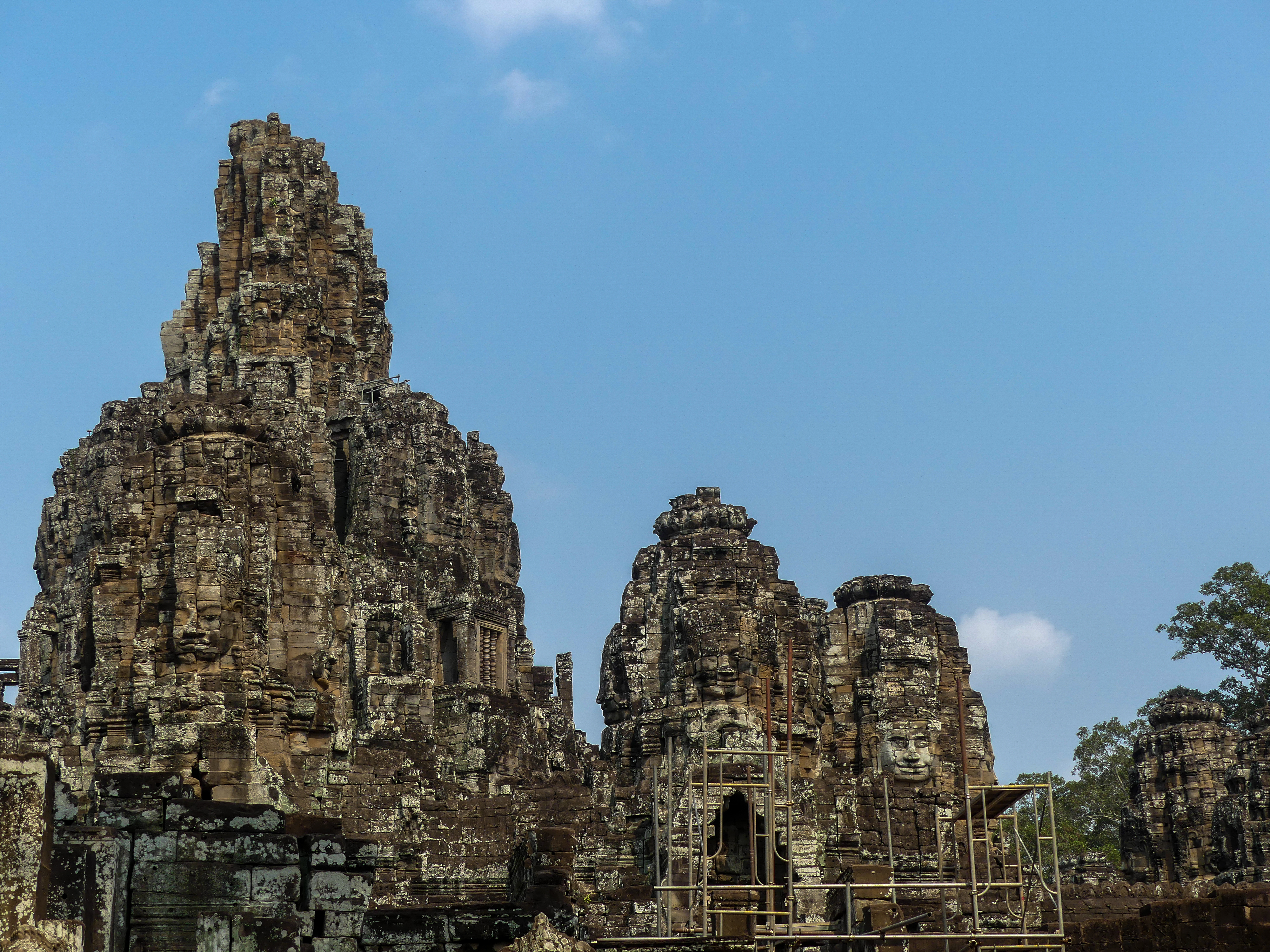
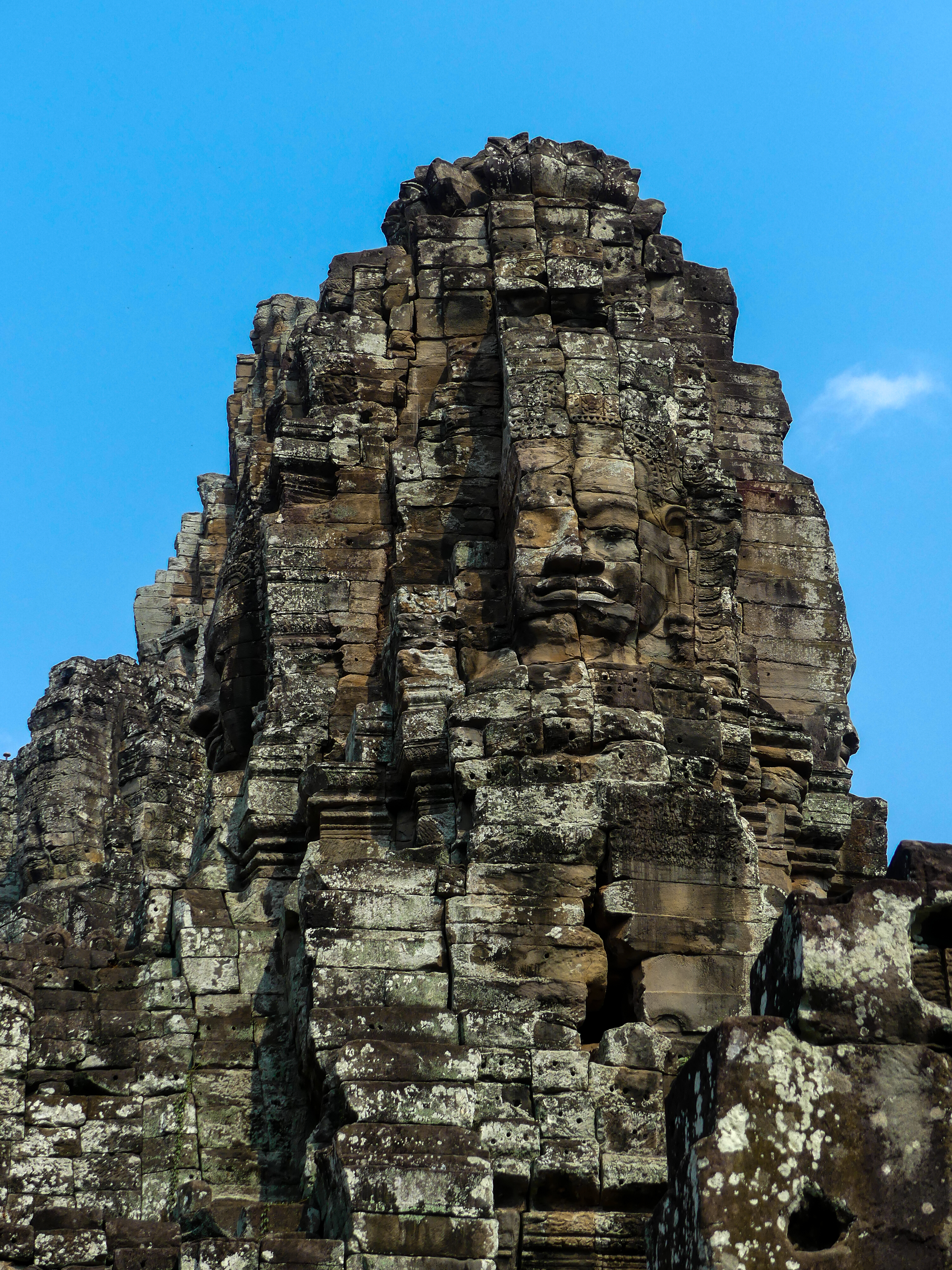
The Bayon is at the heart of Angkor Thom and is known for its serene and smiling stone faces on many towers that project in all directions. It combines architectural chaos with a sense of calm and majesty.
We didn’t visit all the temples on the big Angkor circuit, as several of them were similar, and we decided to spend only half a day on site each time to avoid becoming saturated with temples while combining other activities in Siem Reap!



 m'digital nomad
Leave a comment