
If you’re in Tokyo and feel like a change of pace, Kamakura is an easy day trip that lets you dive into Japan’s history and culture. Just an hour from the capital, this seaside town is famous for its peaceful temples, hiking trails, and, of course, the Great Buddha.Here’s everything you need to know to plan a relaxing day in Kamakura:
Getting to Kamakura from Tokyo
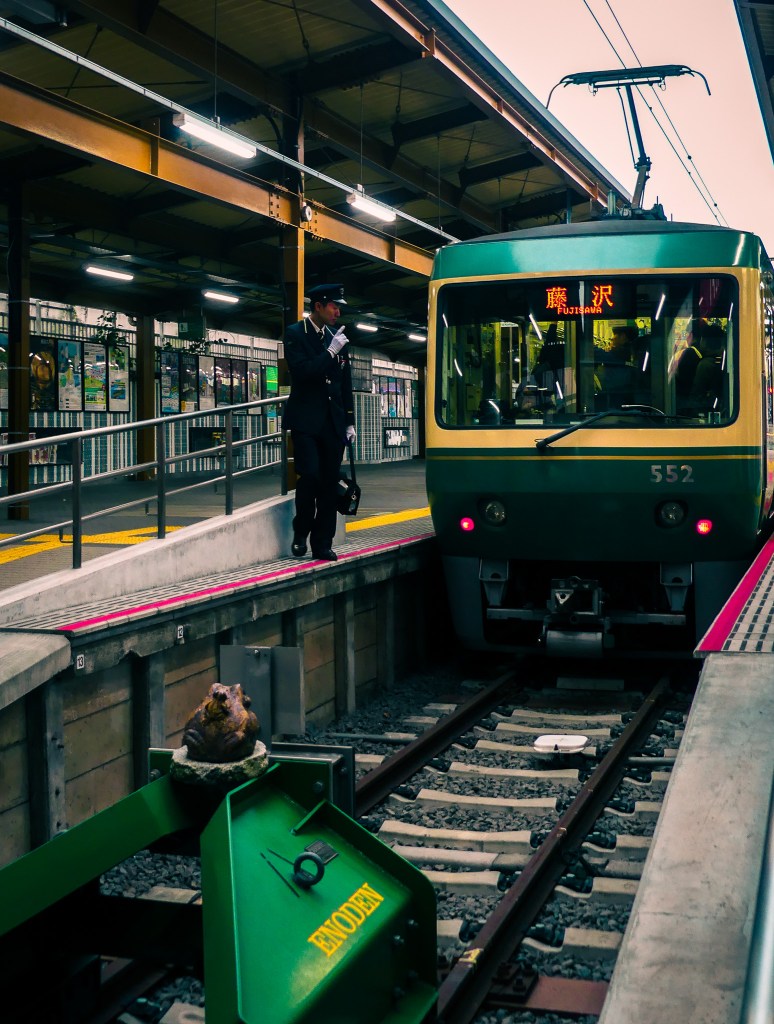
Getting to Kamakura is straightforward. From Tokyo Station, hop on the JR Yokosuka Line and you’ll be there in about an hour. A one-way ticket costs around ¥8 (about $6 USD). If you’re closer to Shinjuku, the Odakyu Line is another good option. You can even make a quick stop at Enoshima if you’re up for it.
For convenience, consider buying the Kamakura-Enoshima Pass (¥1350 or about $9.50 USD). It gives you unlimited travel on the local trains for the day, which is super handy if you’re planning to explore multiple spots.
What to See and Do in Kamakura
Start Your Day at Hase Dera Temple
Hase Dera, also known as the Temple of Flowers, has a story steeped in legend. In 721, the monk Tokudo Shonin commissioned two statues of Kannon, the goddess of mercy. Both were carved from the same camphor tree. One statue was enshrined in Nara, but the other was set adrift in the sea as an offering. Miraculously, 15 years later, the statue washed ashore near Kamakura. This event was seen as a divine sign, and Hase Dera Temple was built to house it.
Today, this temple is home to the Eleven-Headed Kannon statue, which stands over nine meters tall, making it one of the largest wooden statues in Japan. Perched on a hillside, the temple also offers stunning views of Kamakura and the ocean. The hydrangea garden, in full bloom during June, adds another layer of beauty to this serene location.
- Hours: 8:00 AM to 5:00 PM
- Entry Fee: ¥400 (about $3 USD)
See the Great Buddha (Daibutsu)

The Great Buddha of Kamakura, or Daibutsu, is one of Japan’s most iconic monuments. Cast in bronze in 1252, the statue originally sat inside a grand wooden hall. However, the building was destroyed multiple times by typhoons and earthquakes, leaving the 13.35-meter Buddha exposed to the elements. Despite these challenges, the statue has endured for over 750 years, a testament to its remarkable craftsmanship.
Visitors can even step inside the hollow interior of the statue to marvel at its intricate construction. Standing in front of the Great Buddha, it’s hard not to feel the weight of history and the spiritual significance it carries.
- Hours: 8:00 AM to 5:30 PM
- Entry Fee: ¥300 (around $2 USD), plus ¥200 to go inside.
Pro tip: Arrive early or later in the afternoon to avoid the crowds and get better photos.
Zeniarai Benzaiten Shrine: A Ritual of Prosperity
Hidden in the hills of Kamakura, Zeniarai Benzaiten Shrine is a unique spot where tradition meets superstition. Legend has it that the shrine was founded in 1185 when Minamoto no Yoritomo, the first shogun of Japan, was guided by a vision to find a sacred spring. Today, visitors come here to wash their money in the spring’s waters, believing it will multiply their fortune.
The shrine itself is a quiet, spiritual retreat. To reach it, you pass through a tunnel carved into the rock, adding an air of mystery to the experience. Whether you’re superstitious or not, the ritual of washing coins is a fun and memorable part of any Kamakura visit.
- Entry Fee: Free
- Pro Tip: Bring coins to wash, as they make for great souvenirs!
The Daibutsu Hiking Trail: Nature and Spirituality Combined
For those who love a bit of adventure, the Daibutsu Hiking Trail offers a peaceful escape into Kamakura’s natural beauty. The trail connects the Great Buddha to several smaller, lesser-known temples and shrines, like the secluded Jochiji Temple. It’s a moderate hike that takes about 1-2 hours and winds through lush forests and quiet paths.
The trail also provides a glimpse into Kamakura’s spiritual heritage, with small statues and sacred sites dotting the way. Don’t forget to bring comfortable shoes and a bottle of water for the journey.
Sample Itinerary for Your Kamakura Day Trip
Here’s a simple plan to help you make the most of your time:
- 9:00 AM: Leave Tokyo on the JR Yokosuka Line.
- 10:00 AM: Arrive in Kamakura and head straight to Hase Dera Temple.
- 11:30 AM: Walk or take a short ride to the Great Buddha.
- 1:00 PM: Break for lunch at Matsubara-an or grab street food along Komachi Street.
- 2:30 PM: Hike the Daibutsu Trail and visit nearby shrines.
- 4:30 PM: Explore Komachi Street for snacks and souvenirs.
- 5:30 PM: Catch your train back to Tokyo.
A Glimpse into Kamakura’s History
Kamakura became the political and military center of Japan in 1185, marking the start of the Kamakura Period (1185–1333). This era is significant because it saw the establishment of the first shogunate, a military government led by Minamoto no Yoritomo. This new system shifted power away from the imperial court in Kyoto to the samurai class, forever changing Japan’s governance and culture.
The Kamakura shogunate brought stability after years of conflict, but it also emphasized discipline, simplicity, and loyalty—values that are still associated with samurai culture today. Many of the temples and shrines in Kamakura were built during this time, serving both as spiritual centers and as symbols of political authority.
One of the most iconic landmarks, the Great Buddha (Daibutsu), reflects this mix of spiritual devotion and resilience. Constructed in 1252, it has weathered natural disasters and remains a powerful reminder of the city’s historical significance. Hase Dera, another gem, predates the shogunate but flourished under its patronage, showcasing beautiful Buddhist art and architecture that reflect Kamakura’s religious importance.
Walking through Kamakura is like stepping back in time. The narrow streets, traditional wooden buildings, and serene gardens give you a glimpse into what life might have been like during one of Japan’s most fascinating eras.
Kamakura is a perfect getaway from Tokyo, offering a mix of history, nature, and local flavor.





 m'digital nomad
Leave a comment