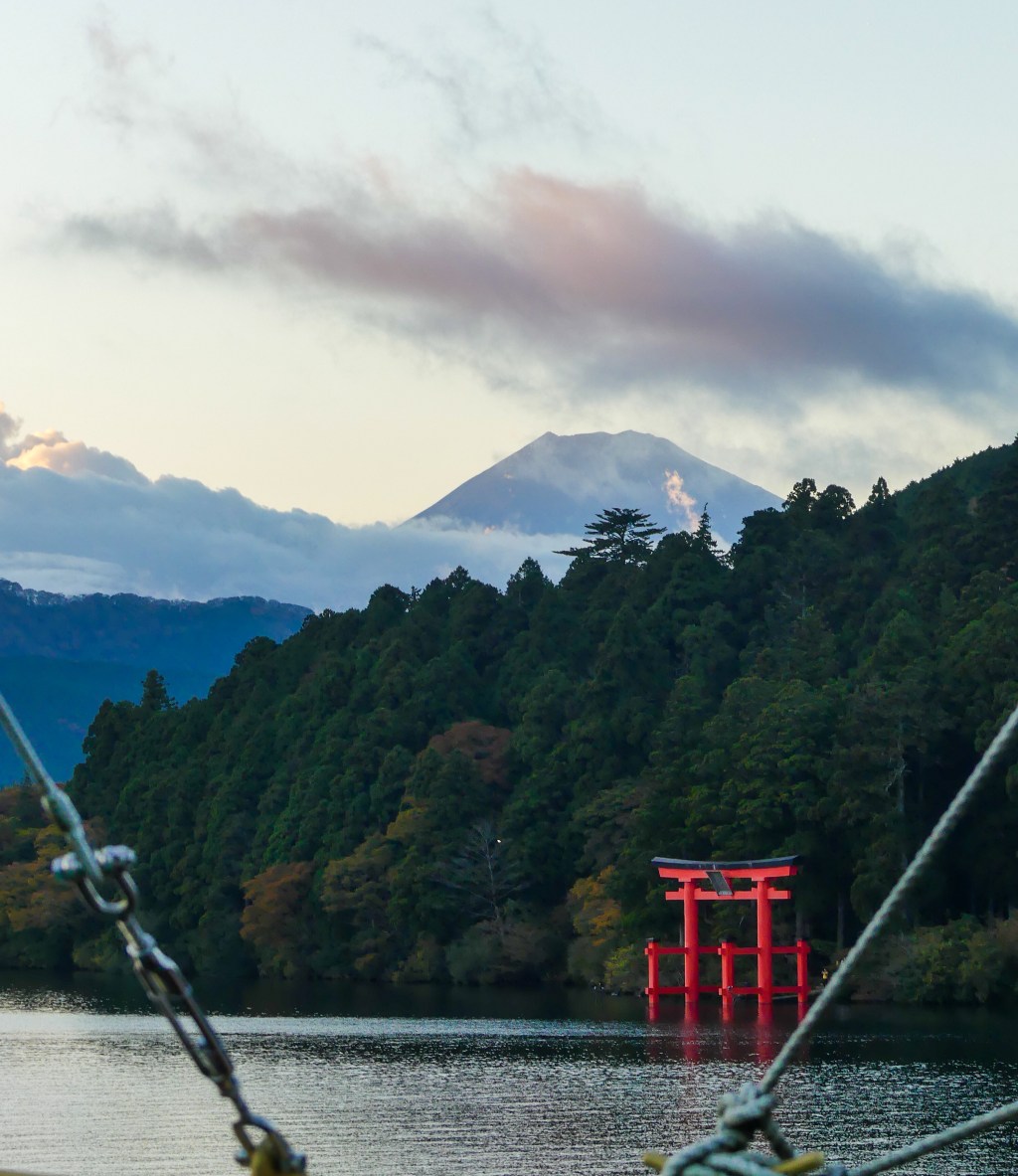
Looking for a break from Tokyo’s fast pace? Hakone is just what you need. A couple of hours away, this peaceful mountain town has everything: hot springs, jaw-dropping views of Mt. Fuji, and even a pirate ship cruise on a volcanic lake. It’s the perfect spot to slow down. Here’s how to make the most of your trip.
Getting to Hakone
Hakone’s accessibility has made it a go-to spot for travelers for generations. In the Edo period, Hakone was an important checkpoint on the Tokaido road, the route connecting Kyoto and Edo (now Tokyo). Today, it’s much easier to visit! The Odakyu Romancecar offers a comfortable and direct ride from Shinjuku Station, taking about 85 minutes for around ¥3,000 (about $22 USD). Alternatively, the Hakone Tozan Railway, Japan’s oldest mountain railway, winds through stunning landscapes and is perfect if you want a scenic journey.
For hassle-free exploration, the Hakone Free Pass (¥5,000 for two days, about $37 USD) covers your transport within Hakone, including buses, cable cars, and even the famous lake cruise.
Exploring Hakone: Top Attractions
Hakone Park: History and Tranquility
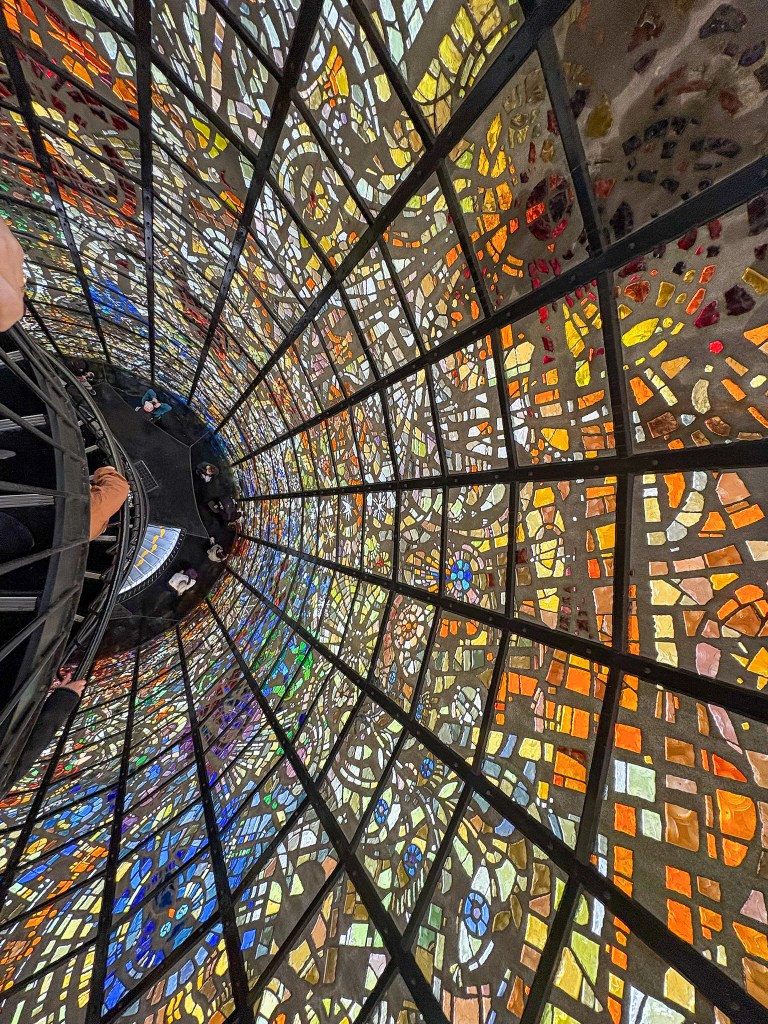
We began our day at Hakone Park, a beautifully preserved area that reflects the region’s rich history. This park was once part of the summer residence of the imperial family, and you can feel its elegance as you stroll through the landscaped gardens. Statues and monuments dot the park, each with a story, some commemorating local legends, others inspired by Japan’s artistic heritage. Even though the clouds hid Mt. Fuji during our visit, we enjoyed soaking in the atmosphere and admiring the sculptures.
There’s also a free foot bath onsen tucked away in the park, where we paused to relax. It’s the kind of spot where you can slow down and take it all in. If you have bags with you, lockers are available, which makes things super convenient. After about two hours, we took a short 10-minute walk to the bus stop that connects you to the Hakone Ropeway station.
Owakudani: A Window into Japan’s Volcanic Past
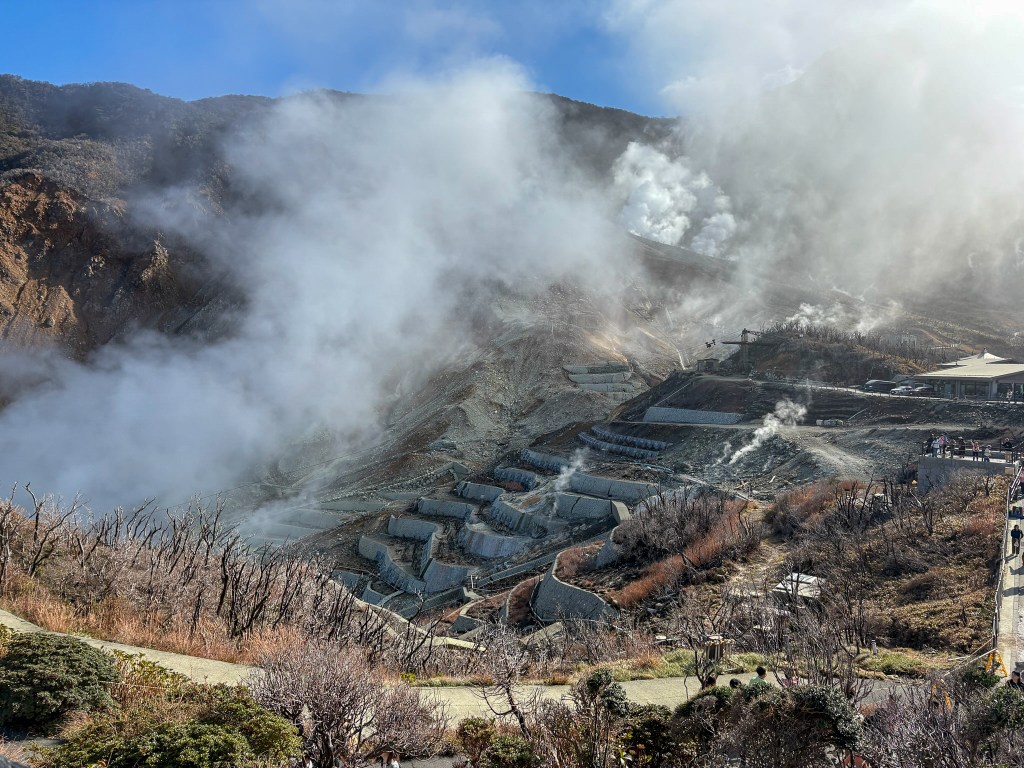
Known as the “Great Boiling Valley,” it was formed over 3,000 years ago during an eruption of Mount Hakone. The valley still bubbles with volcanic activity, with steaming sulfur vents and pools that hiss and bubble like something out of a science fiction story. This unique landscape has inspired countless artists and poets over the centuries, fascinated by its raw, untamed beauty.
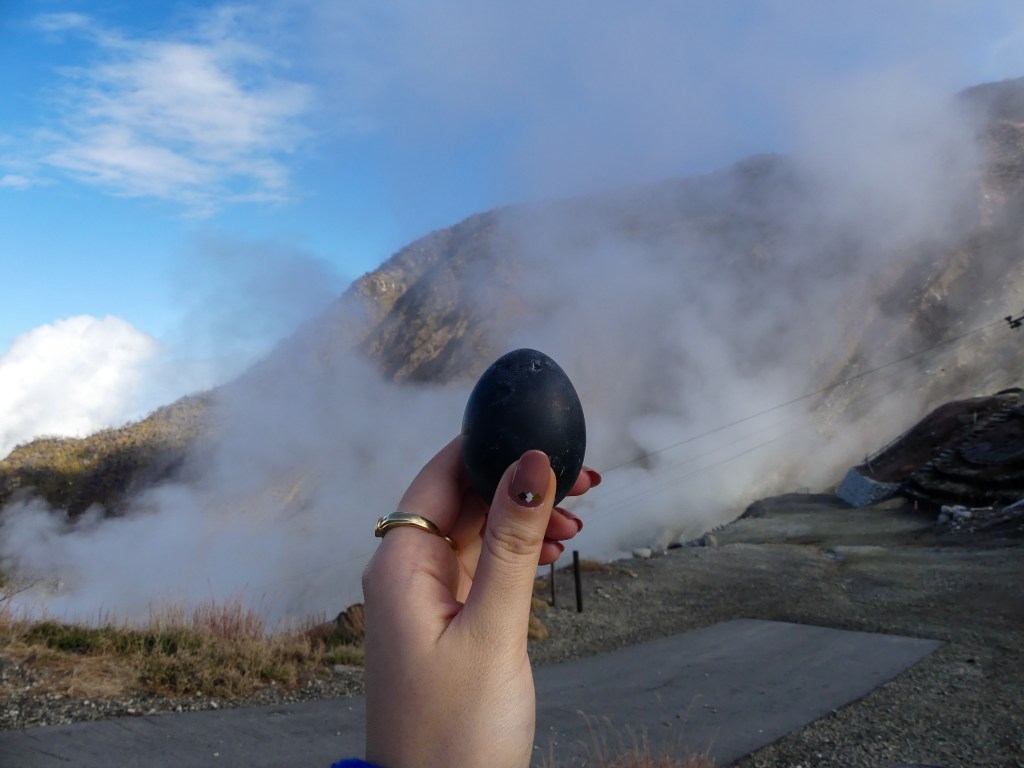
We stepped off the Hakone Ropeway: the air smelled of sulfur! One of the highlights was trying the black eggs boiled in the sulfuric springs. Locals say eating one adds seven years to your life. While we can’t confirm that, it’s definitely a fun tradition worth trying! And on clear days, Owakudani offers one of the most breathtaking views of Mt. Fuji you’ll ever see. We also stopped for lunch and couldn’t resist the famous volcanic curry served at the Owakudani restaurant.
- Check the ropeway’s operating status before heading out, as volcanic activity sometimes limits access.
Lake Ashi: A Timeless Crater Lake
Lake Ashi, or Ashinoko, was formed nearly 3,000 years ago when Mount Hakone last erupted. This stunning crater lake has long been a symbol of Hakone and is famous for its views of Mt. Fuji, especially when framed by the lake’s calm waters. The area has been a source of inspiration for artists and writers, with its serene beauty captured in countless paintings and poems.
We boarded the pirate ship cruise, which adds a touch of fun to the experience. As the boat glided across the lake, we passed the iconic Hakone Shrine Torii Gate, which seems to float on the water. This red gate has become a beloved photo spot for visitors. After the cruise, we headed to Lake Side Inn MiraHakone, a cozy inn right on the lake’s edge.
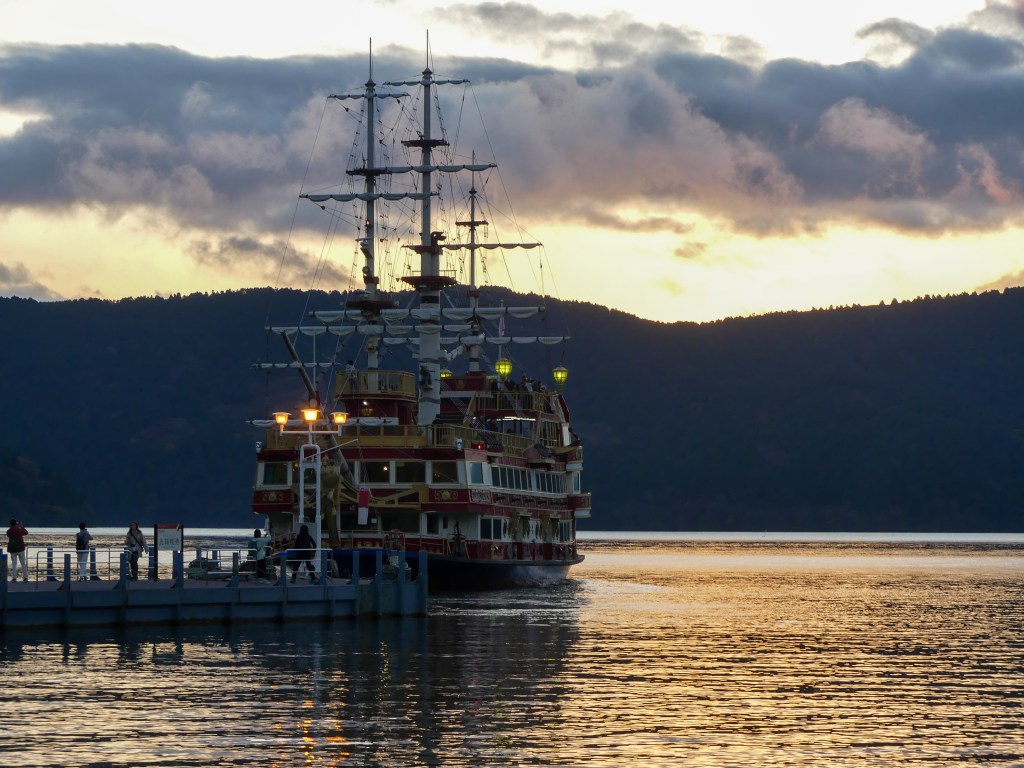
Hakone Shrine
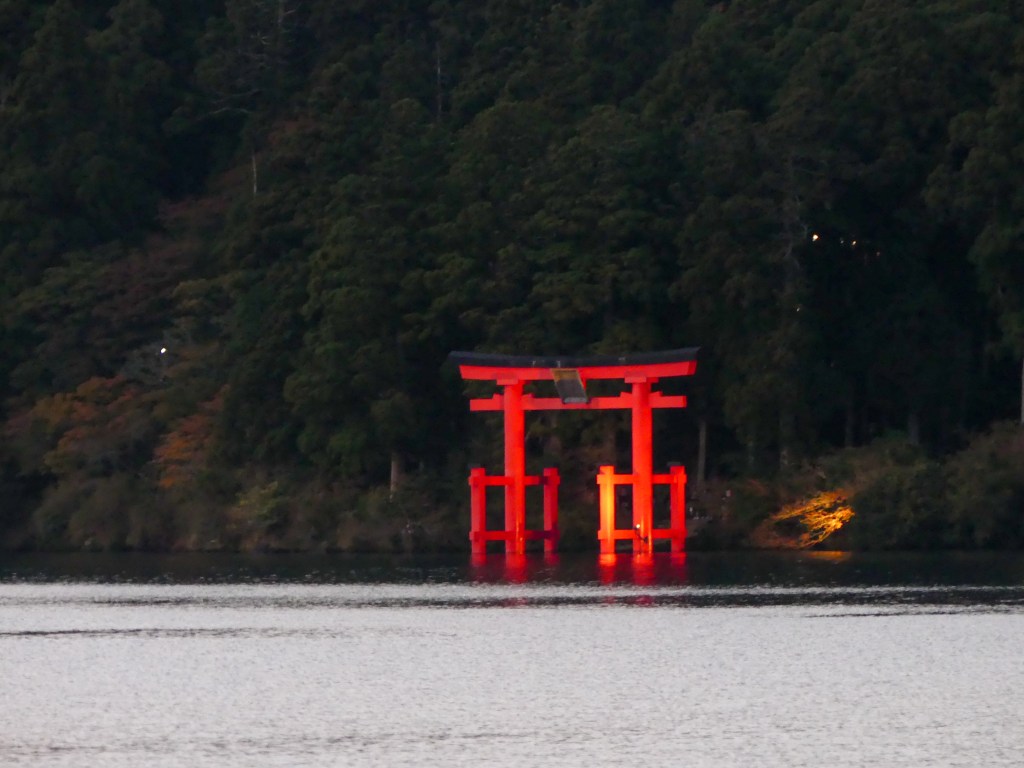
Hakone Shrine dates back to the 8th century and has been a spiritual sanctuary for travelers, warriors, and even emperors. Nestled in a forest of towering cedar trees along the shores of Lake Ashi, the shrine’s peaceful atmosphere feels like stepping into another time. The iconic red torii gate standing in the lake has become one of Hakone’s most photographed landmarks, but the shrine itself is just as impressive.
Climbing the stone steps to the main hall, we couldn’t help but imagine what it must have felt like centuries ago when pilgrims made the same journey seeking blessings for safe travels and success. It’s a humbling and serene experience.
Practical Tips for Visiting Hakone
- Best Time to Visit: Fall (October-November) for colorful leaves, or winter for clear views of Mt. Fuji.
- Dress for the Weather: The mountain air can get chilly, so bring layers.
- Check the Ropeway Status: Sometimes volcanic activity can temporarily close parts of Hakone, so double-check before your trip.
- Start Early: Hakone has a lot to see, so get an early start to fit it all in.
Sample Itinerary for a Day in Hakone
- 8:00 AM: Leave Shinjuku on the Odakyu Romancecar.
- 10:00 AM: Arrive at Hakone-Yumoto and head to Hakone Park.
- 10:30 AM: Spend 2-3 hours enjoying the park and the free foot bath onsen.
- 1:00 PM: Take the Hakone Ropeway to Owakudani and explore the volcanic valley, you can eat the famous curry of Owakudani.
- 2:30 PM: Continue on the ropeway to Togendai and board the Lake Ashi cruise.
- 3:30 PM: Visit Hakone Shrine and its famous torii gate.
- 5:00 PM: Check into Lake Side Inn MiraHakone and enjoy a relaxing evening by the lake.
Have you been to Hakone? Share your favorite memories in the comments below!




 m'digital nomad
Leave a comment